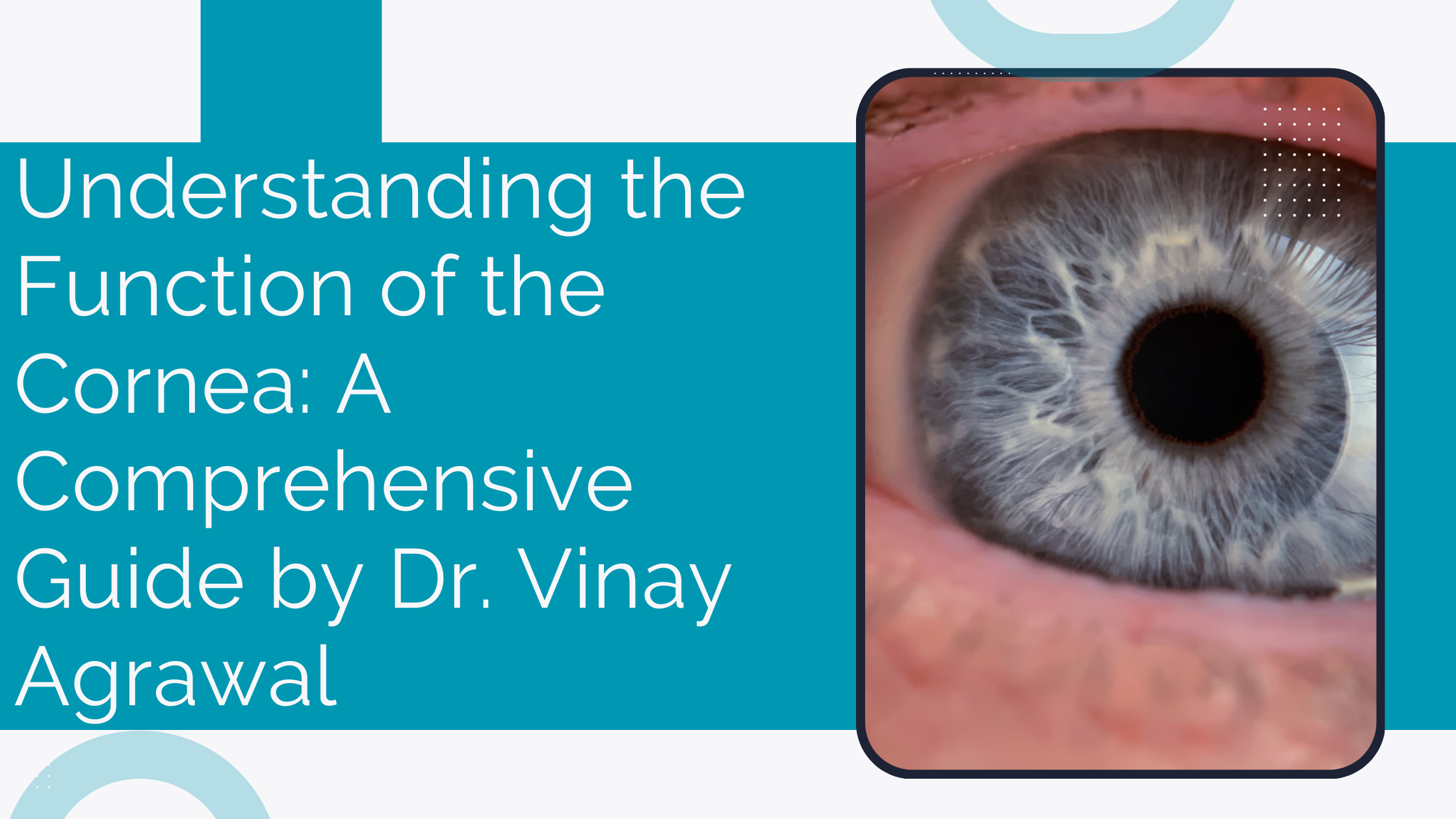
The human eye is often compared to a sophisticated camera, but even the most advanced lens in the world cannot match the complexity of the cornea. As the outermost layer of your eye, the cornea is the “window” through which you see the world.
For patients in Mumbai seeking the expertise of Dr. Vinay Agrawal, a renowned cornea and refractive surgeon at Clear Vision Eye Centre, understanding the function of the cornea is the first step toward maintaining lifelong ocular health. In this comprehensive guide, we will explore the anatomy, vital roles, and common conditions affecting this clear, dome-shaped powerhouse of the eye.
What is the Cornea?
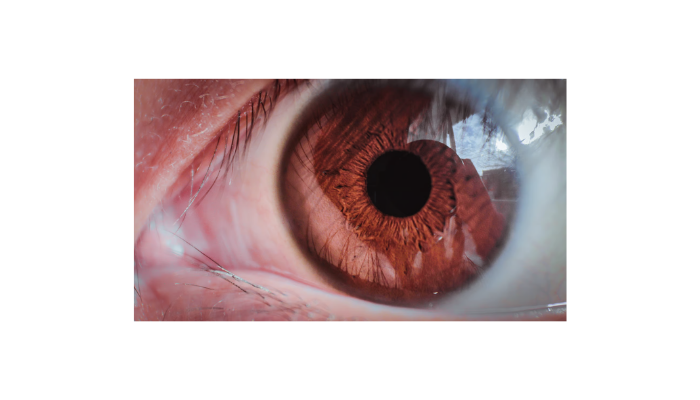
The cornea is the transparent, protective outer layer of the eye. It sits directly in front of the iris (the colored part) and the pupil. While it looks like a simple clear film, it is actually a highly organized tissue.
Unlike almost every other tissue in the human body, the cornea contains no blood vessels. If it had blood vessels, they would block or scatter light, making clear vision impossible. Instead, the cornea receives its oxygen directly from the air and its nutrients from the tear film on the outside and the aqueous humor (the fluid inside the eye) on the inside.
The Core Functions of the Cornea
The cornea is a “multitasker.” It doesn’t just sit there; it performs several critical roles that allow you to see clearly and keep your eyes safe.
1. The Eye’s Primary Lens: Light Refraction
Most people believe the lens inside the eye does all the work. However, the cornea is actually responsible for 65% to 75% of the eye’s total focusing power.
When light hits the curved surface of the cornea, it “refracts” or bends the light rays so they pass through the pupil and focus precisely on the retina at the back of the eye. If the cornea’s curvature is irregular, a condition known as astigmatism, light doesn’t focus correctly, resulting in blurred vision.
2. The Shield: Physical Protection
Acting as a barrier, the cornea is the eye’s first line of defense. It protects the sensitive inner structures from:
- Germs and Bacteria: Preventing infections like keratitis.
- Dust and Debris: Acting as a windshield against environmental pollutants.
UV Radiation: The cornea filters out a significant portion of harmful ultraviolet (UV) rays, protecting the lens and retina from sun damage.
3. Sensory Sentinel
The cornea is one of the most sensitive parts of the human body. It contains a dense network of nerve endings, nearly 300 to 600 times more pain receptors than your skin. This sensitivity is a survival mechanism; the moment a tiny speck of dust touches the cornea, it triggers a “blink reflex” and tear production to wash the irritant away.
The Five Layers of the Cornea
To perform its functions, the cornea is divided into five distinct layers. Each layer plays a specific role in maintaining clarity and strength.
Layer | Function |
Epithelium | The outermost “skin” that blocks foreign matter and absorbs oxygen from tears. It heals very quickly. |
Bowman’s Layer | A tough sheet of collagen that protects the stroma and helps the eye maintain its shape. |
Stroma | The thickest layer (90% of the cornea). It is made of perfectly aligned collagen fibers that ensure transparency. |
Descemet’s Membrane | A thin, strong inner barrier that protects against infection and injury. |
Endothelium | The “pump” layer. It pumps excess fluid out of the stroma to keep the cornea from swelling and becoming cloudy. |
Common Corneal Conditions and Symptoms
When the function of the cornea is compromised, vision follows suit. Dr. Vinay Agrawal specializes in diagnosing and treating these common corneal issues:
1. Keratoconus
This is a progressive condition where the cornea thins and bulges outward into a cone shape. This irregularity causes significant blurring and light sensitivity. As a Keratoconus Specialist in Mumbai, Dr. Agrawal offers advanced treatments like Corneal Cross-Linking (CXL) to stop the progression.
2. Corneal Abrasions and Ulcers
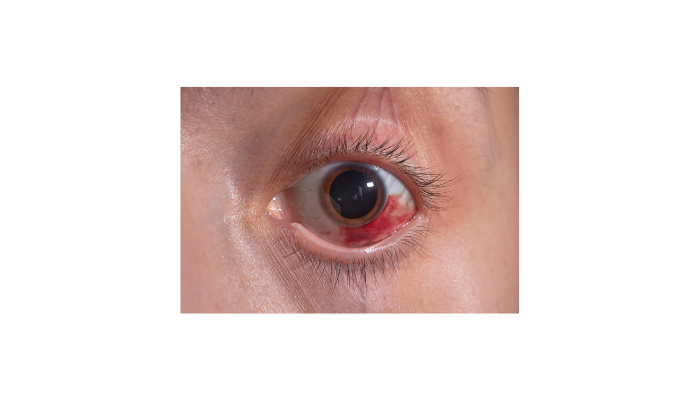
A “scratch” on the eye is a corneal abrasion. While minor ones heal fast, deep scratches can lead to corneal ulcers (open sores). If you experience intense pain, redness, or a “gritty” feeling, immediate medical attention is required.
3. Fuchs’ Dystrophy
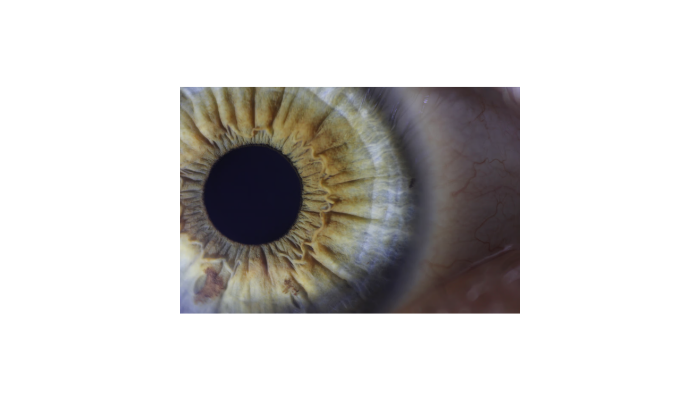
This is a genetic condition affecting the endothelium. When these cells die off, they can no longer pump fluid out of the cornea, leading to swelling and “foggy” vision, especially in the morning.
4. Dry Eye Syndrome
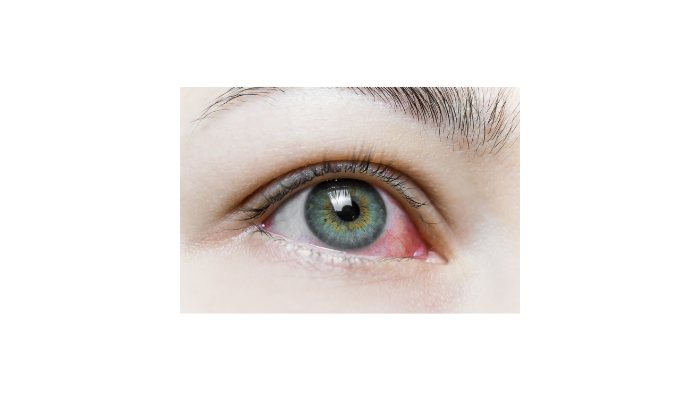
The cornea relies on a healthy tear film. Without enough tears, the epithelium becomes irritated, leading to stinging, burning, and blurred vision.
Expert Care in Mumbai: Why Choose Dr. Vinay Agrawal?
When dealing with corneal health, experience matters. Dr. Vinay Agrawal (MBBS, MS, DNB) is a fellowship-trained cornea specialist from the prestigious L.V. Prasad Eye Institute. With over 30 years of experience, he provides cutting-edge solutions at Clear Vision Eye Centre, Santacruz West.
His expertise includes:
- Lamellar/Layered Cornea Transplants (DSAEK/DMEK): Replacing only the damaged layers of the cornea for faster recovery.
- Refractive Surgeries: Such as LASIK and SMILE to correct vision.
- Advanced Keratoconus Management: Customizing treatments to the patient’s specific corneal topography
Tips for Maintaining Corneal Health
- Wear Sunglasses: Protect your cornea from UV damage.
- Proper Contact Lens Care: Never sleep in your lenses unless prescribed, and always use fresh solution to avoid keratitis.
- Avoid Rubbing Your Eyes: Frequent rubbing can weaken the corneal structure and contribute to keratoconus.
- Regular Eye Exams: Early detection of corneal thinning or endothelial loss can save your sight.
Conclusion
The cornea is more than just a clear window; it is a complex, living lens that requires specialized care. Whether you are experiencing blurred vision, persistent dryness, or have been diagnosed with a condition like keratoconus, seeking professional help is vital.
Don’t let corneal issues cloud your world.
Would you like to book a consultation with Dr. Vinay Agarwal at Clear Vision Eye Centre to discuss your corneal health?
Frequently Asked Questions (FAQs)
Q1: Can a damaged cornea be repaired without surgery?
Minor scratches (abrasions) often heal with medicated drops. However, deeper scars or structural changes like Keratoconus usually require specialized lenses or surgical procedures to restore vision.
Q2: Is a corneal transplant a major surgery?
While it is a delicate procedure, modern techniques like DSAEK are minimally invasive, performed as a day-care procedure, and offer much faster visual recovery than older methods.
Q3: How do I know if my blurry vision is a corneal issue or just a cataract?
Both cause blurring, but corneal issues often come with pain, light sensitivity, or a “halo” effect. A comprehensive evaluation using a slit-lamp exam and topography is required for an accurate diagnosis.
Q4: Where is Dr. Vinay Agrawal’s clinic located?
Our main center, Clear Vision Eye Centre, is conveniently located in Santacruz (West), Mumbai, with additional consultancy services at Hiranandani Hospital, Powai.