Best Keratoconus Treatment in Mumbai
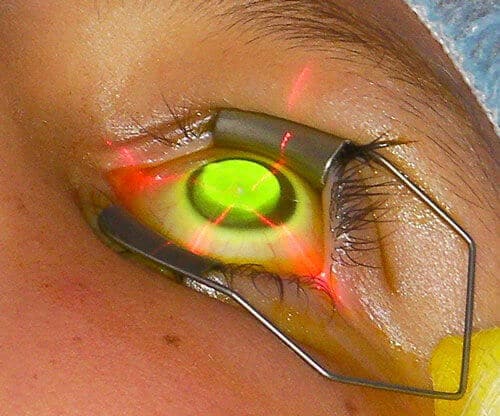
Looking for the best keratoconus treatment in Mumbai? Keratoconus is a progressive eye condition in which the cornea thins and bulges into a cone shape, causing blurred, distorted vision, glare and frequent changes in glasses power. At Clear Vision Eye Centre in Santacruz West, Dr. Vinay K. Agrawal diagnoses keratoconus early using advanced corneal topography and tomography, then builds a treatment plan around your stage and needs. Options include corneal cross-linking (C3R) to halt progression, specialty contact lenses for clearer vision, and surgical procedures when required.
What is Keratoconus?
Keratoconus is a condition that affects the structure of the cornea—the clear, dome-shaped surface at the front of the eye. In keratoconus, the cornea gradually becomes thinner and bulges outward into a cone-like shape, leading to distorted vision and increased sensitivity to light.
This condition usually begins in the teenage years or early adulthood and may progress over time if not treated appropriately.
Common Causes of Keratoconus
While the exact cause is not always known, several factors are associated with keratoconus:
-
Genetic predisposition (family history of keratoconus)
-
Chronic eye rubbing
-
Allergic eye disease
-
Connective tissue disorders
-
Weak corneal collagen structure
Risk Factors
People who are more likely to develop keratoconus include:
-
Teenagers and young adults
-
Individuals with a family history of the condition
-
Patients with severe allergies or asthma
-
Individuals who frequently rub their eyes
-
Patients with conditions like Down syndrome or Marfan syndrome
Who is Affected?
Keratoconus can affect:
-
Children and teenagers
-
Young adults between ages 15 and 35
-
Individuals with progressive vision changes
-
Patients experiencing frequent prescription changes
-
Weak corneal collagen structure
Early diagnosis and timely treatment are essential to slow disease progression and preserve vision.
Symptoms of Keratoconus
Common symptoms include:
Symptoms may develop gradually, which is why regular eye examinations are important for early detection.

When Should You See a Doctor?
You should consult an eye specialist if you notice persistent vision changes or symptoms that interfere with daily activities.
Warning Signs
-
Rapidly worsening vision
-
Frequent need to change glasses
-
Increasing astigmatism
-
Difficulty driving at night
-
Eye discomfort or strain
Risk Indicators
-
Family history of keratoconus
-
Chronic eye rubbing
-
Severe allergies affecting the eyes
Early consultation with an experienced eye specialist like Dr. Vinay K. Agrawal can help prevent complications and protect long-term vision.
Diagnosis of Keratoconus at Clear Vision Eye Centre
Accurate diagnosis is essential for effective keratoconus management. At Clear Vision Eye Centre in Santacruz West, Mumbai, advanced diagnostic technology is used to detect even early-stage keratoconus.
Tests Performed
-
Corneal Topography — Maps the shape of the cornea
-
Pachymetry — Measures corneal thickness
-
Refraction Test — Determines vision clarity
-
Slit-Lamp Examination — Evaluates corneal structure
-
Corneal Tomography — Provides detailed 3D imaging

Evaluation Process
-
Comprehensive eye examination
-
Vision assessment
-
Corneal imaging
-
Personalized treatment planning
With over 30+ years of experience, Dr. Vinay K. Agrawal combines clinical expertise with modern technology to deliver precise diagnosis and customized treatment plans for each patient.
Treatment Options for Keratoconus
Treatment depends on the severity and progression of the condition. At Clear Vision Eye Centre, multiple treatment options are available to manage keratoconus effectively.
Non-Surgical Treatments
-
Prescription Glasses Used in early stages to correct mild vision changes.
-
Soft Contact Lenses Provide improved vision correction.
-
Rigid Gas Permeable (RGP) Lenses Offer clearer vision for moderate keratoconus.
-
Specialty Contact Lenses Includes scleral lenses designed for irregular corneas.
Advanced Treatments
-
Corneal Cross-Linking (CXL) Strengthens the cornea and slows disease progression.
-
Intacs (Corneal Ring Segments) Small implants inserted into the cornea to improve shape and vision.
Surgical Treatments
-
Corneal Transplant (Keratoplasty) Recommended in advanced cases where other treatments are not effective.
The treatment approach is always personalized based on:
-
Disease severity
-
Patient age
-
Corneal thickness
-
Lifestyle needs
Why Choose Dr. Vinay K. Agrawal at Clear Vision Eye Centre for Keratoconus Treatment?
Choosing the right eye specialist is critical for managing keratoconus effectively.
Expertise and Credentials
-
Experienced ophthalmologist with 30+ years of clinical experience
-
Specialist in cornea and refractive surgery
-
Expertise in keratoconus management and cataract surgery
-
Extensive experience with LASIK, PRK, and corneal procedures
-
Trusted eye care provider in Mumbai
Patient-Centered Approach
-
Comprehensive eye evaluations
-
Personalized treatment plans
-
Evidence-based care
-
Focus on long-term vision preservation
-
Transparent communication with patients
Thousands of patients have benefited from the advanced eye care services provided by Dr. Vinay K. Agrawal at Clear Vision Eye Centre.


Benefits of Choosing Clear Vision Eye Centre for Keratoconus Surgery
Patients choose Clear Vision Eye Centre in Santacruz West, Mumbai for its commitment to quality eye care and patient safety.
Key Advantages
-
Modern diagnostic and surgical technology
-
Experienced and skilled eye care team
-
Strict safety and hygiene standards
-
Personalized patient care
-
Comprehensive eye treatment under one roof
-
Convenient location in Mumbai
-
Trusted reputation in eye care
The clinic focuses on delivering safe, effective, and comfortable treatment experiences for every patient.
Recovery After Keratoconus Treatment Procedure
Recovery time depends on the type of treatment performed.
Typical Recovery Timeline
Contact Lens Fitting
Immediate improvement in vision
Corneal Cross-Linking
3 to 7 days for initial recovery
Intacs Procedure
1 to 2 weeks recovery
Corneal Transplant
Several weeks to months for full healing
Post Keratoconus-Treatment Care
Patients are advised to:
-
Avoid rubbing the eyes
-
Use prescribed eye drops regularly
-
Attend follow-up appointments
-
Protect eyes from dust and sunlight
-
Avoid strenuous activities temporarily
Following medical instructions carefully helps ensure successful outcomes.

Keratoconus Treatment Risks and Complications
Keratoconus treatment is generally safe when performed by an experienced specialist. However, like any medical procedure, certain risks may occur.
Possible Risks
-
Eye irritation
-
Temporary blurred vision
-
Dry eyes
-
Light sensitivity
Rare Complications
-
Infection
-
Corneal scarring
-
Vision changes
-
Delayed healing
Safety Measures
At Clear Vision Eye Centre, safety protocols include:
-
Sterile surgical environment
-
Advanced equipment
-
Skilled surgical team
-
Regular monitoring and follow-up
These measures significantly reduce the risk of complications.
Cost of Keratoconus Treatment in Mumbai
The cost of keratoconus treatment in Mumbai varies depending on the type of treatment and individual patient needs.
General Cost Range
-
Contact lenses: ₹8,000 to ₹40,000
-
Corneal cross-linking: ₹25,000 to ₹60,000 per eye
-
Intacs procedure: ₹70,000 to ₹1,20,000
-
Corneal transplant: ₹1,50,000 to ₹3,00,000
Cost Depends On
-
Severity of keratoconus
-
Type of procedure
-
Technology used
-
Surgeon expertise
-
Hospital or clinic facilities
-
Insurance coverage
Patients are encouraged to discuss treatment costs and insurance options during consultation.

Frequently Asked Questions (FAQs) About Keratoconus Treatment
Keratoconus is caused by weakening of the corneal tissue, which leads to thinning and bulging of the cornea. Genetic factors, frequent eye rubbing, allergies, and connective tissue disorders are common contributing factors. Early diagnosis and proper management can help slow the progression of the condition.
Yes, keratoconus treatment is generally safe when performed by an experienced eye specialist using modern technology. Procedures such as corneal cross-linking and specialty contact lenses have high success rates. Proper diagnosis and follow-up care significantly reduce the risk of complications and improve treatment outcomes.
Recovery time varies depending on the treatment method. Most patients recover within a few days after corneal cross-linking, while surgical procedures may require several weeks. Following your doctor's instructions, using prescribed medications, and attending follow-up visits help ensure smooth recovery.
Keratoconus cannot always be completely cured, but it can be effectively managed. Treatments such as corneal cross-linking can stop disease progression, while contact lenses and surgical procedures improve vision. Early detection and timely treatment play a critical role in preserving eyesight.
Yes, keratoconus can run in families. Individuals with a family history of keratoconus have a higher risk of developing the condition. Regular eye examinations are recommended for early detection, especially for children and young adults with affected relatives.
Corneal cross-linking is typically performed under local anesthesia, so patients do not feel pain during the procedure. Mild discomfort or irritation may occur after treatment, but this usually resolves within a few days. Most patients resume normal activities shortly after recovery.
Most patients can return to work within a few days after non-surgical treatments. Surgical procedures may require a slightly longer recovery period. Your doctor will provide specific guidance based on your treatment type and overall eye health.
Preparation usually involves a detailed eye examination, stopping contact lens use temporarily, and following your doctor's instructions. Patients should arrange transportation after certain procedures and avoid using eye makeup on the day of treatment.
Insurance coverage depends on the policy and type of treatment. Some medically necessary procedures, such as corneal transplant, may be covered. Patients should check with their insurance provider and clinic staff to understand eligibility and reimbursement options.
Book a Consultation for Keratoconus
If you or a loved one is experiencing symptoms of keratoconus, early diagnosis and treatment can protect your vision and improve quality of life.
Book a consultation with Dr. Vinay K. Agrawal at Clear Vision Eye Centre in Santacruz West, Mumbai today.
Take the first step toward clearer, healthier vision with trusted and experienced eye care.