C3R for Keratoconus: What Patients Should Know Before the Procedure
Keratoconus is a progressive eye condition that can gradually affect vision by changing the shape of the cornea, the clear front surface of the eye. Understanding available treatment options before making a decision is important for protecting long-term eye health.
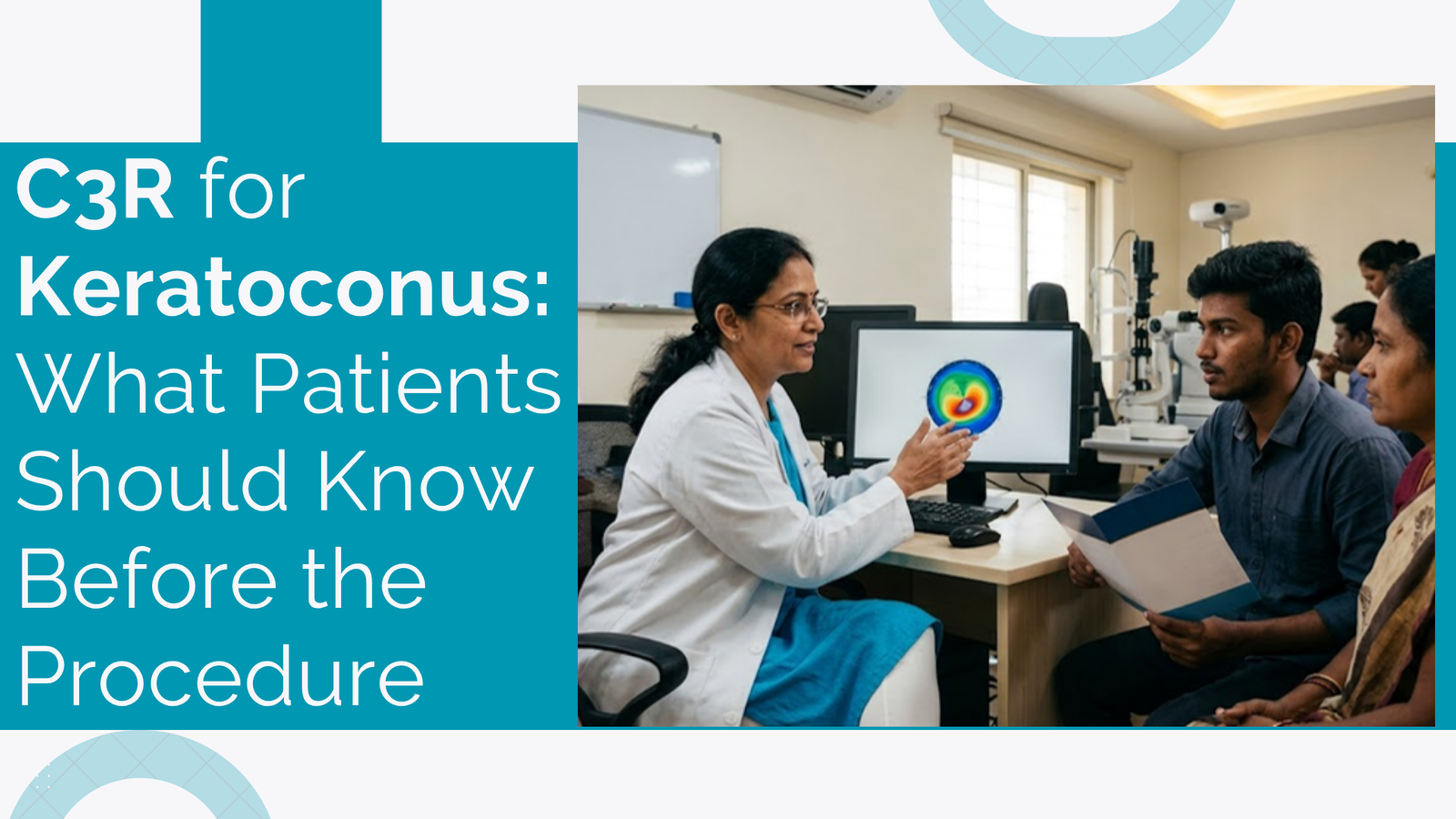
Patients often feel anxious upon hearing things such as corneal cross-linking or C3R, but if they know how the procedure works, who it is suitable for, and what the recovery process entails, their experience of undergoing the treatment can be made easier. Getting a diagnosis as early as possible and receiving medical advice in a timely manner can help stop the cornea from weakening any further and decrease the chances of future vision problems. Keratoconus Treatment in Mumbai often includes advanced procedures like C3R, especially when the condition is detected early and shows signs of progression. For a broader overview, see our full guide to corneal collagen cross-linking.
C3R is not a procedure that immediately removes glasses or completely reshapes the cornea. Its main goal is to strengthen the corneal structure and slow down the progression of Keratoconus. A detailed eye examination helps doctors decide whether this treatment is suitable for an individual patient.
What Is Keratoconus?

Keratoconus is an eye condition in which the cornea becomes thinner and gradually bulges outward into a cone-like shape. A healthy cornea has a smooth, rounded structure that helps focus light correctly on the retina. When the cornea becomes irregular, light entering the eye does not focus properly, causing blurred or distorted vision.
The exact reason why Keratoconus develops is not always known. However, factors such as genetics, frequent eye rubbing, allergies, and certain environmental influences may contribute to its progression.
Common symptoms patients may notice include:
- Increasing dependence on glasses or contact lenses
- Blurred or distorted vision
- Difficulty seeing clearly at night
- Increased sensitivity to light
- Frequent changes in glasses prescription
- Halos or glare around lights
Since Keratoconus can progress differently in every person, regular eye check-ups are essential. Early detection allows doctors to consider treatments that can help preserve corneal strength.
Understanding the Progression of Keratoconus
Keratoconus usually develops gradually. Doctors evaluate the condition based on corneal thickness, shape changes, and vision impact. The Stages of Keratoconus help eye specialists understand how advanced the condition is and select the most appropriate management approach.
Stage | Condition of Cornea | Common Vision Changes |
Early Stage | Mild corneal thinning and slight shape changes | Slightly blurred vision, frequent prescription changes |
Moderate Stage | Increased corneal irregularity and thinning | More noticeable distortion, difficulty with daily activities |
Advanced Stage | Significant corneal weakening and cone formation | Severe vision problems, possible need for specialized procedures |
Not every patient reaches advanced stages. With regular monitoring and suitable treatment, progression can often be controlled effectively.
What Is C3R Treatment?
C3R stands for C3R (Corneal Collagen Cross-linking with Riboflavin). It is a minimally invasive treatment designed to strengthen the cornea by increasing the natural bonding between collagen fibres.
The cornea contains collagen, a structural protein that provides strength and stability. In Keratoconus, these collagen fibres become weaker, causing the cornea to lose its normal shape. C3R uses riboflavin (vitamin B2) drops combined with controlled ultraviolet light exposure to create stronger connections between collagen fibres.
The main purpose of C3R treatment is to:
- Strengthen the cornea
- Slow or stop Keratoconus progression
- Reduce the risk of further corneal weakening
- Help preserve existing vision
C3R does not reverse Keratoconus completely, but it plays an important role in preventing the condition from worsening.
How Is the C3R Procedure Performed?

The C3R procedure is performed by an experienced eye specialist after a detailed evaluation. The treatment generally follows these steps:
1. Detailed Eye Examination
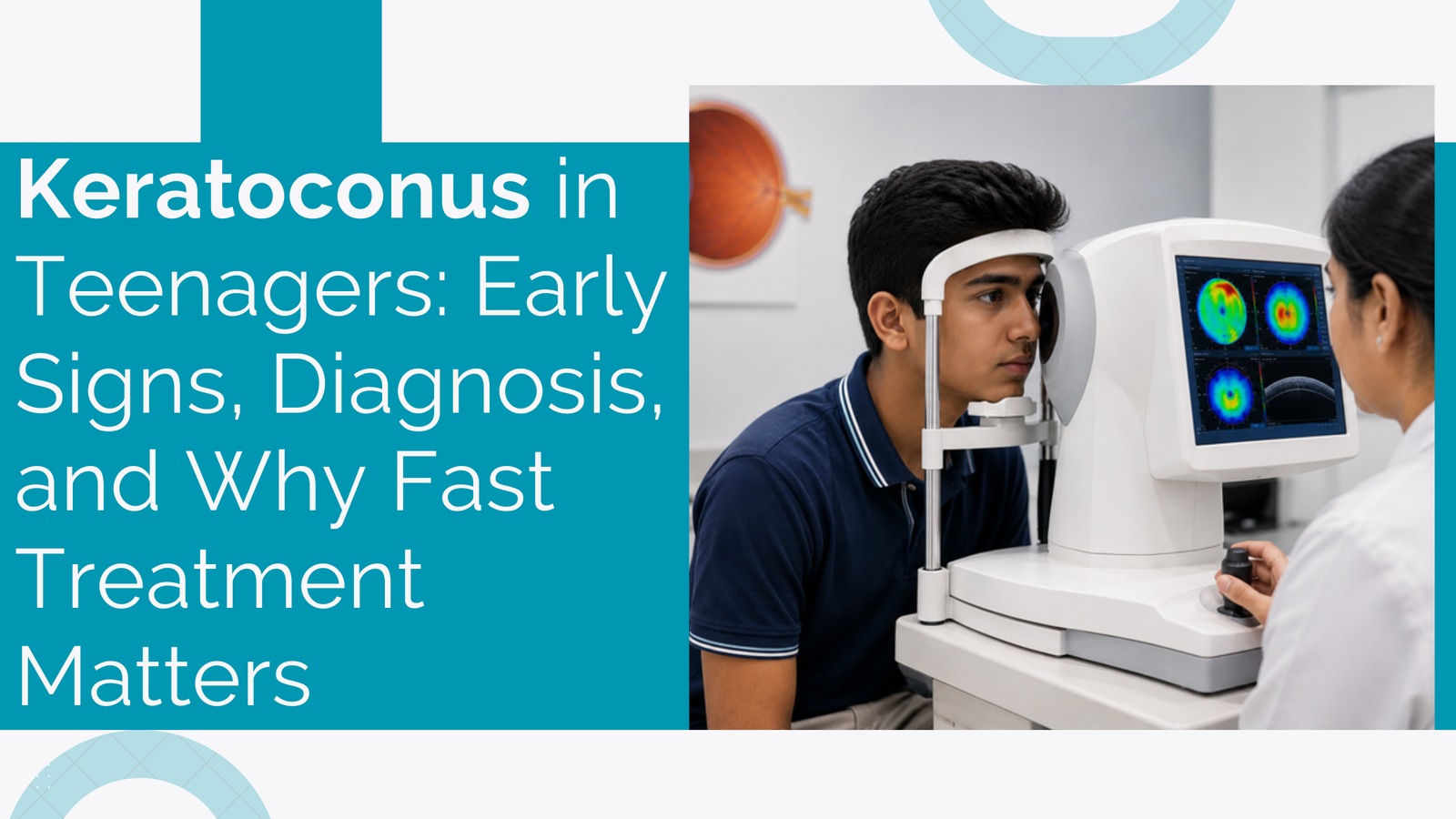
The doctor checks corneal thickness, shape, and overall eye health using advanced diagnostic tools.
2. Preparation of the Eye
Local anesthetic eye drops are applied to keep the patient comfortable during the procedure.
3. Application of Riboflavin Drops
Riboflavin drops are placed on the cornea. These drops help prepare the corneal tissue for strengthening.
4. Controlled UV Light Exposure
The cornea is exposed to controlled ultraviolet light, which activates riboflavin and helps create stronger collagen connections.
5. Post-Procedure Protection
Depending on the technique used, a protective contact lens may be placed temporarily to support healing.
The procedure duration may vary depending on the treatment method and individual patient requirements.
Who Is a Suitable Candidate for C3R?
C3R is generally recommended for patients who have progressive Keratoconus or are at risk of further corneal weakening.
Doctors usually consider factors such as:
- Evidence that Keratoconus is progressing
- Corneal thickness and structure
- Patient’s age
- Changes in vision prescription
- Overall eye health
Younger patients often require careful monitoring because Keratoconus may progress faster in some younger individuals. However, treatment decisions are always based on detailed clinical evaluation rather than age alone.
A consultation with a qualified Keratoconus Specialist in Mumbai can help determine whether C3R is the right option.
Benefits of C3R Treatment
C3R offers several important benefits for suitable patients :
Benefit | How It Helps Patients |
Corneal strengthening | Improves the structural stability of the cornea |
Slows disease progression | Helps prevent further worsening of Keratoconus |
Protects future vision | Reduces the risk of severe corneal changes |
Minimally invasive approach | Usually performed without major surgical cuts |
The earlier progressive Keratoconus is identified, the better the chances of protecting corneal health.
Recovery After C3R Procedure
Recovery after C3R is usually gradual. Patients may experience temporary discomfort during the initial healing period.
Common short-term effects may include:
- Mild irritation or watering
- Light sensitivity
- Blurred vision during early recovery
- Feeling of something in the eye
Most patients notice improvement over time as the cornea heals. Follow-up appointments are important because doctors monitor corneal stability and recovery progress.
During recovery, patients should:
- Avoid rubbing their eyes
- Use prescribed eye drops regularly
- Protect their eyes from dust and irritation
- Attend scheduled follow-up visits
- Avoid swimming until advised by the doctor
Why Choosing an Experienced Keratoconus Doctor Matters
Keratoconus treatment requires accurate diagnosis, careful evaluation, and personalized planning. Selecting an experienced ophthalmologist can make a significant difference because every patient’s corneal condition is unique.
Dr. Vinay Agrawal has more than three decades of experience in ophthalmology and is recognized for his expertise in cornea, cataract, and refractive procedures. His qualifications include M.B.B.S., M.S. (Ophthalmology), D.N.B. (Ophthalmology), and a Cornea Fellowship from L.V. Prasad Eye Institute. His approach focuses on evidence-based treatment and helping patients achieve stable, clearer vision.
Patients should always choose a doctor who uses advanced diagnostic methods and explains treatment options clearly before proceeding.
C3R Treatment Cost Factors
The cost of C3R treatment may vary depending on several factors. Instead of choosing treatment only based on price, patients should consider the quality of care, technology, and expertise available.
Factor | Impact on Treatment Cost |
Technology Used | Advanced equipment and treatment techniques may influence pricing |
Doctor Expertise | Experienced specialists may provide more precise evaluation and care |
Clinical Facilities | Quality of infrastructure and patient support services affect overall costs |
The cost of treatment may also depend on whether additional tests, medications, or follow-up care are required. Patients looking for affordable options should focus on receiving safe and reliable treatment.
C3R is widely available as part of Keratoconus Treatment in India, with many specialized eye centres offering advanced corneal care.
Consult an Experienced Keratoconus Specialist Today
Early diagnosis plays a crucial role in managing Keratoconus effectively. If you notice frequent changes in your glasses prescription, blurry vision, or difficulty seeing clearly, an eye evaluation can help identify the cause.
At Clear Vision Eye Centre, patients receive comprehensive eye examinations and personalized guidance for corneal conditions. Consulting an experienced specialist at the right time can help protect vision and determine whether C3R or another treatment approach is appropriate.
Schedule an eye consultation today to understand your condition better and take the right step toward maintaining long-term eye health.
Managing Keratoconus early can help protect vision and improve long-term eye health. With proper evaluation and advanced options like C3R, patients can make informed decisions about their eye care. For those seeking reliable Keratoconus Treatment in Mumbai, consulting an experienced cornea specialist can be an important step toward preserving clear and stable vision.
Frequently Asked Questions (FAQs)
1. What is C3R treatment for Keratoconus?
C3R is a corneal strengthening procedure used to slow the progression of Keratoconus. It uses riboflavin drops and controlled ultraviolet light to strengthen collagen bonds inside the cornea, helping maintain corneal stability.
2. Is C3R surgery painful?
C3R is generally performed using anesthetic eye drops, so patients usually experience minimal discomfort during the procedure. Temporary irritation, watering, and light sensitivity may occur during the initial recovery period.
3. How long does recovery take after C3R?
Recovery time varies between patients. Many people experience initial discomfort for a few days, while complete corneal strengthening and visual improvement may continue gradually over several months with regular follow-up care.
4. Can C3R stop Keratoconus from progressing?
C3R is designed to slow or stop Keratoconus progression in suitable patients. While it does not completely cure the condition, it helps strengthen the cornea and reduce the risk of further weakening.
5. Who needs corneal collagen cross-linking?
Patients with progressive Keratoconus or those showing signs of increasing corneal weakness may benefit from corneal collagen cross-linking. A detailed eye examination is necessary before recommending treatment.
6. Is Keratoconus treatment safe?
When performed by an experienced eye specialist after proper evaluation, Keratoconus treatment is considered safe for suitable candidates. Following post-treatment instructions helps support successful recovery.
7. When should someone consult a Keratoconus specialist?
Anyone experiencing frequent prescription changes, distorted vision, increasing blurry vision, or symptoms associated with Keratoconus should consult an eye specialist early for proper diagnosis and management.