Cataracts develop gradually, often making everyday activities like reading, driving, or recognizing faces increasingly difficult. When vision impairment starts affecting quality of life, surgery becomes a medically recommended solution.
Understanding the complete journey from preparation to recovery helps reduce anxiety and ensures better outcomes. This detailed guide explains everything patients should know before committing to Cataract Surgery in Mumbai, empowering them with clarity, confidence, and practical knowledge before taking the next step.
Understanding Cataracts and When Surgery Is Required
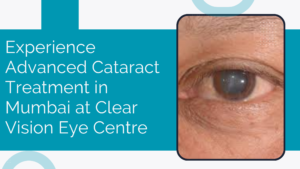
A cataract forms when the natural lens of the eye becomes cloudy (opacity), leading to blurred or dim vision. Aging is the most common cause, but diabetes, prolonged sun exposure, eye injuries, and certain medications can accelerate its development. Cataracts do not improve on their own, and while early stages may be managed temporarily with updated eyewear, surgery is the only definite treatment.
Timely intervention prevents further visual deterioration and reduces the risk of complications. Opting for Cataract Treatment in Mumbai allows patients access to modern surgical techniques that prioritize precision, safety, and faster recovery.
Things to Do Before the Cataract Surgery
1. Comprehensive Evaluation of the Eyes
Before surgery, patients undergo a thorough eye examination to assess cataract severity, eye health, and suitability for surgery. Tests evaluate lens opacity, corneal condition, retinal health, and intraocular pressure. These assessments help surgeons plan the procedure accurately and select the appropriate intraocular lens.
2. Medical History Review
Patients are advised to share complete medical histories, including systemic conditions like diabetes or hypertension. Certain medications may require adjustment before surgery. Clear communication ensures safety and minimizes risks from the surgery.
3. Lifestyle and Pre-Surgery Preparation
Doctors may recommend temporary restrictions, such as avoiding eye makeup or contact lenses before surgery. Patients are also guided on fasting requirements, transportation arrangements, and post-surgery care planning at home.
4. Choosing the Right Eye Surgeon and Clinic
The success of cataract surgery depends greatly on surgical expertise and clinical standards. Selecting a qualified Cataract Surgeon in Mumbai involves reviewing credentials, experience, and ethical practice rather than relying solely on advertisements.
Over the past three decades, Dr. Vinay Agrawal has been widely respected for his consistent clinical excellence. Holding qualifications including M.B.B.S., M.S. (Ophthalmology), D.N.B. (Ophthalmology), and a Cornea Fellowship from L.V. Prasad Eye Institute, he has accumulated extensive experience across cataract, cornea, and refractive surgeries. His long-standing practice reflects disciplined evaluation, thoughtful surgical planning, and patient-focused care.
What Happens During Cataract Surgery Procedure
1. The Surgical Process
Cataract surgery is typically a short, outpatient procedure performed under local anesthesia. The cloudy natural lens is smoothly removed and replaced with a clear artificial intraocular lens. Advanced techniques allow precise incisions, minimal tissue disruption, and improved visual outcomes.
2. Comfort and Safety
Patients remain awake but comfortable throughout the entire procedure. The surgical environment is strictly controlled to maintain sterility and precision. Modern cataract surgery is considered highly safe as compared to the traditional one, when performed by experienced professionals following established protocols.
Recovery and Care After Cataract Surgery Procedure
1. Immediate Post-Surgery Phase
Most patients describe the post cataract surgery feelings as similar to a mild scratch. After surgery, patients may experience mild irritation, light sensitivity, or blurred vision for a short period. Protective eyewear and prescribed eye drops help support healing and prevent infection.
2. Healing Timeline
Vision typically improves within a few days after the surgery, although complete stabilization may take several weeks. Regular follow-up visits ensure healing progresses as expected and allow timely management of any concerns.
3. Activity Guidelines
Patients are generally advised to avoid heavy lifting, rubbing the eyes, or exposure to dust and water during early recovery. Adhering to post-operative instructions significantly improves surgical success.
Understanding Costs and Practical Considerations for Cataract Surgery
Many patients understandably want clarity around cataract surgery cost in Mumbai. Costs differ depending on various factors such as surgical technique, lens selection, technology used, and overall clinical infrastructure. Transparent clinics explain pricing clearly, helping patients make informed decisions without hidden surprises.
Experience and Ethics Matter
Cataract surgery is highly effective, but ethical decision-making is crucial. A responsible practitioner will recommend surgery only when clinically necessary and advise against it if risks outweigh benefits. This integrity builds long-term trust and ensures patient safety.
Clinics like Clear Vision Eye Centre are known for maintaining high standards in diagnostics, hygiene, and patient communication. A calm, organized environment combined with structured follow-up care contributes significantly to patient comfort and confidence throughout the treatment journey.
Long-Term Vision After the Cataract Surgery
Successful cataract surgery restores clarity and enhances daily functioning. Patients often report improved color perception, sharper vision, and renewed independence. Maintaining regular eye check-ups after surgery supports ongoing eye health and early detection of other age-related conditions.
Choosing the best Cataract Surgeon in Mumbai involves prioritizing experience, transparency, and patient-centric care rather than promotional claims. When these factors align, patients benefit from safer procedures and reliable outcomes.
Frequently Asked Questions (FAQs)
Is cataract surgery painful?
The procedure is generally painless due to local anesthesia, with only mild discomfort during recovery.
How long does the entire surgery take?
Most cataract surgeries are completed within 15–30 minutes.
When can normal activities be started after the surgery?
Light activities can usually be resumed within a day, while complete recovery may take a few weeks.
Is cataract surgery permanent or not?
Yes, the artificial lens implanted during surgery does not develop cataracts again, providing long-term visual improvement.
Final Thoughts
Preparing for surgery, understanding the procedure, and following post-operative guidance are equally important parts of the journey. When performed with precision, ethical judgment, and advanced technology, Cataract Surgery in Mumbai can significantly enhance vision and quality of life, offering patients renewed clarity and confidence for years to come.
Book Your Or Your Dear One’s Cataract Consultation Today
Take the first step toward clearer vision with expert guidance and personalized care. Schedule your appointment at Dr. Vinay K Agrawal’s Clear Vision Eye Centre and experience a structured, patient-first approach to cataract management.