The human eye relies on a perfectly curved, transparent front surface, the cornea, to focus light and provide a clear view of the world. In a healthy eye, this dome-like structure is tough and maintains its shape under normal internal pressure. However, for individuals with keratoconus, the cornea’s structural integrity is compromised. This progressive eye disease causes the normally round cornea to thin and gradually bulge outward into a cone-like shape. As the cornea becomes more irregular, light entering the eye is scattered, leading to blurred vision, increased sensitivity to light, and significant distortion. For many young adults who first notice these changes in their late teens or early twenties, the initial symptoms are often mistaken for simple nearsightedness or astigmatism. However, as the “cone” becomes more pronounced, standard glasses can no longer compensate for the irregularity, leading to a frustrating cycle of frequent prescription changes. The emotional toll of fluctuating vision can be heavy. However, modern ophthalmology offers several pathways to stabilize the eye and prevent the most severe complications. For those seeking the highest standard of specialized care, finding a facility that provides comprehensive Keratoconus Treatment in Mumbai is the most effective way to protect your visual future and stop the progression of this challenging condition before it significantly impacts your quality of life.
Understanding the Mechanics of the “Cone”
To determine whether keratoconus leads to vision loss, one must first understand what is happening at the cellular level. The cornea is held in place by tiny fibers of protein called collagen. These fibers act like structural beams, keeping the cornea strong and flexible. In an eye with keratoconus, the levels of protective antioxidants in the cornea decrease. Without these antioxidants, the collagen fibers weaken, and the cornea can no longer withstand the internal pressure of the eye.
As the cornea thins and protrudes, the surface becomes uneven. This creates “irregular astigmatism,” which is much harder to correct than the standard astigmatism most people are familiar with. If left unmanaged, the extreme stretching of the corneal tissue can lead to tiny cracks or even sudden swelling, a condition known as hydrops. While keratoconus rarely leads to total blindness, it can certainly lead to legal blindness or a level of visual impairment that makes driving, reading, and working almost impossible without surgical or specialized intervention.
Early Warning Signs and the Importance of Screening
Keratoconus is often called a “silent” thief of clarity because its early stages are so subtle. Many patients report that their vision seems “ghosted”, meaning they see multiple faint images around a single object. Others find that their night vision is particularly poor, with streetlights appearing as large, distorted streaks or starbursts.
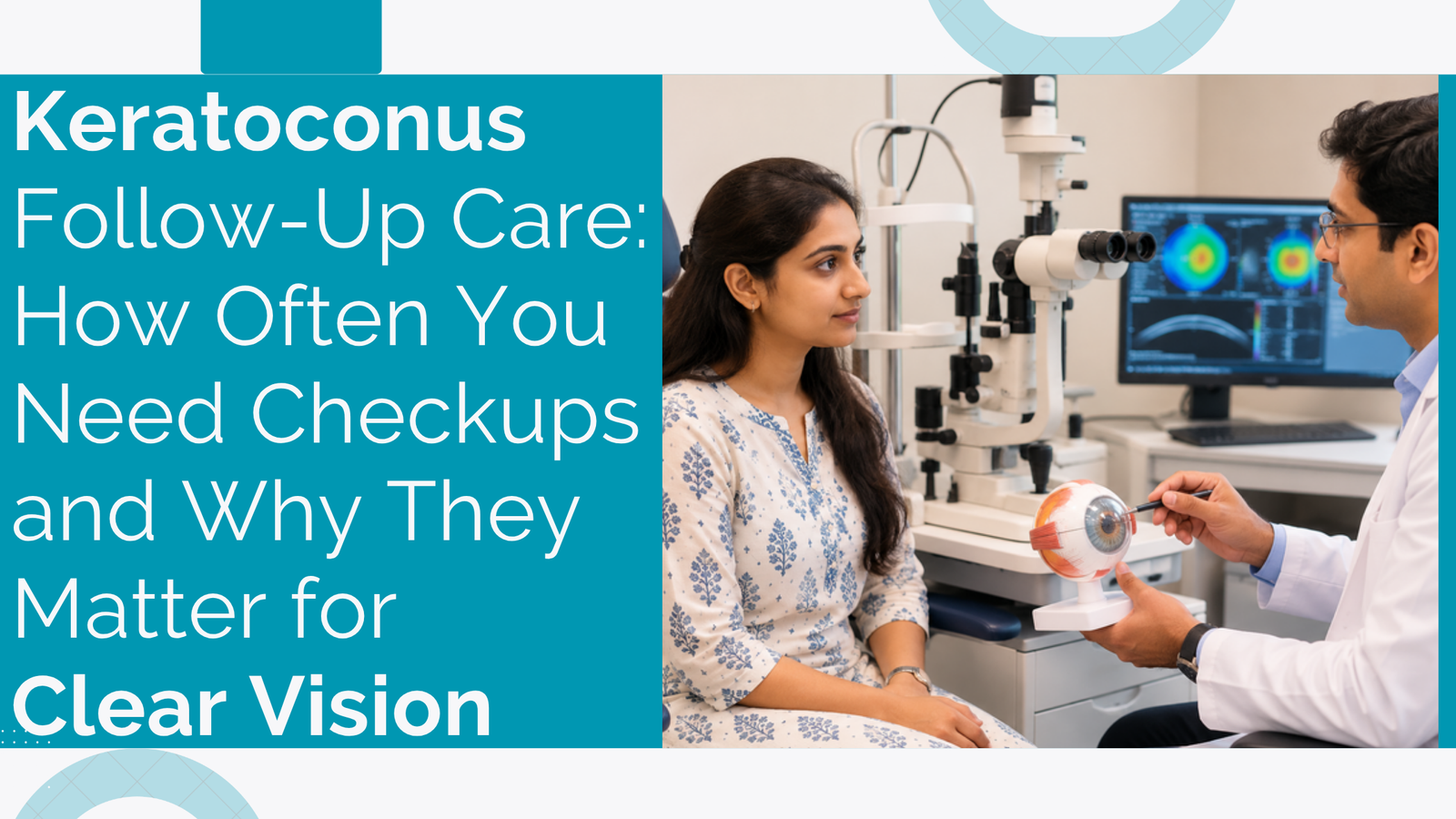
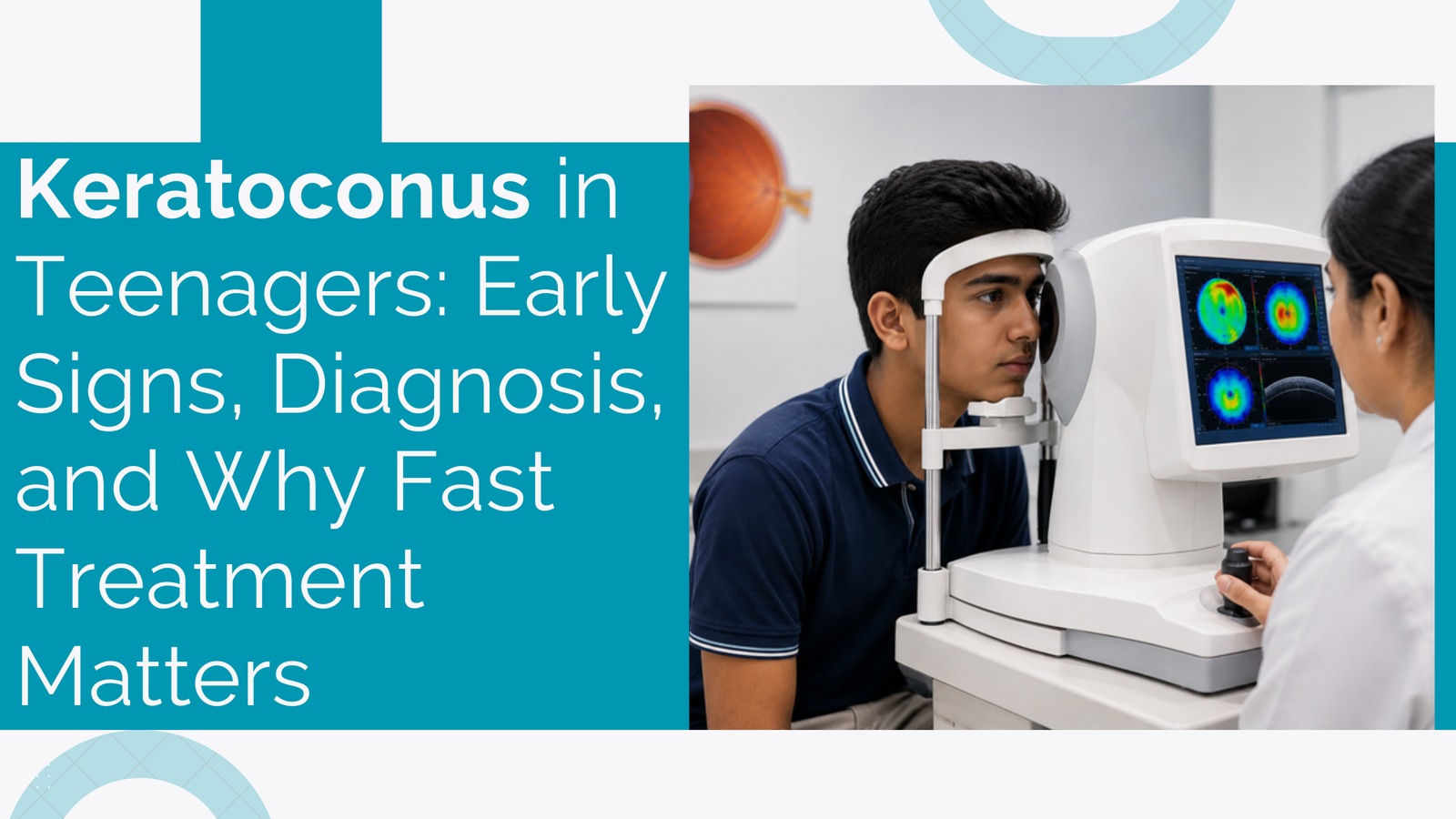
Because the condition typically affects both eyes but progresses at different rates, the “better” eye often compensates for the “weaker” one, delaying diagnosis. This is why a specialized screening is vital. A Keratoconus Specialist in Mumbai uses advanced corneal topography to create a detailed “elevation map” of the eye. This map can detect microscopic thinning and bulging long before a patient notices a significant drop in their visual acuity. Detecting the disease in its earliest stages is the single most important factor in preventing permanent vision loss.
A Legacy of Ophthalmic Excellence: Dr. Vinay Agrawal
When dealing with a delicate condition such as a thinning cornea, your surgeon’s experience is paramount. Dr. Vinay Agrawal is widely recognized as one of the most highly regarded ophthalmologists in the region, with a distinguished career spanning over 30 years. His academic foundation is exemplary, holding M.B.B.S., M.S. (Ophthalmology), and D.N.B. (Ophthalmology) degrees, further bolstered by a prestigious Cornea Fellowship at the L.V. Prasad Eye Institute. Throughout his three decades of dedicated clinical practice, he has mastered the complexities of corneal, refractive, and cataract surgery, establishing these critical areas as his primary specialties.
At Clear Vision Eye Centre, patients benefit from a clinical environment where seasoned wisdom meets modern innovation. We believe that managing keratoconus is a long-term partnership. Our team doesn’t just treat the symptoms; we analyze the underlying progression to ensure the chosen intervention, whether specialized lenses or surgical strengthening, is perfectly timed for the best possible outcome.
Modern Solutions: From Lenses to Surgery
The landscape of Keratoconus Treatment in India has evolved dramatically over the last decade. We have moved away from simply “waiting” for the eye to fail and toward proactive stabilization.
1. Collagen Cross-Linking (CXL/C3R)
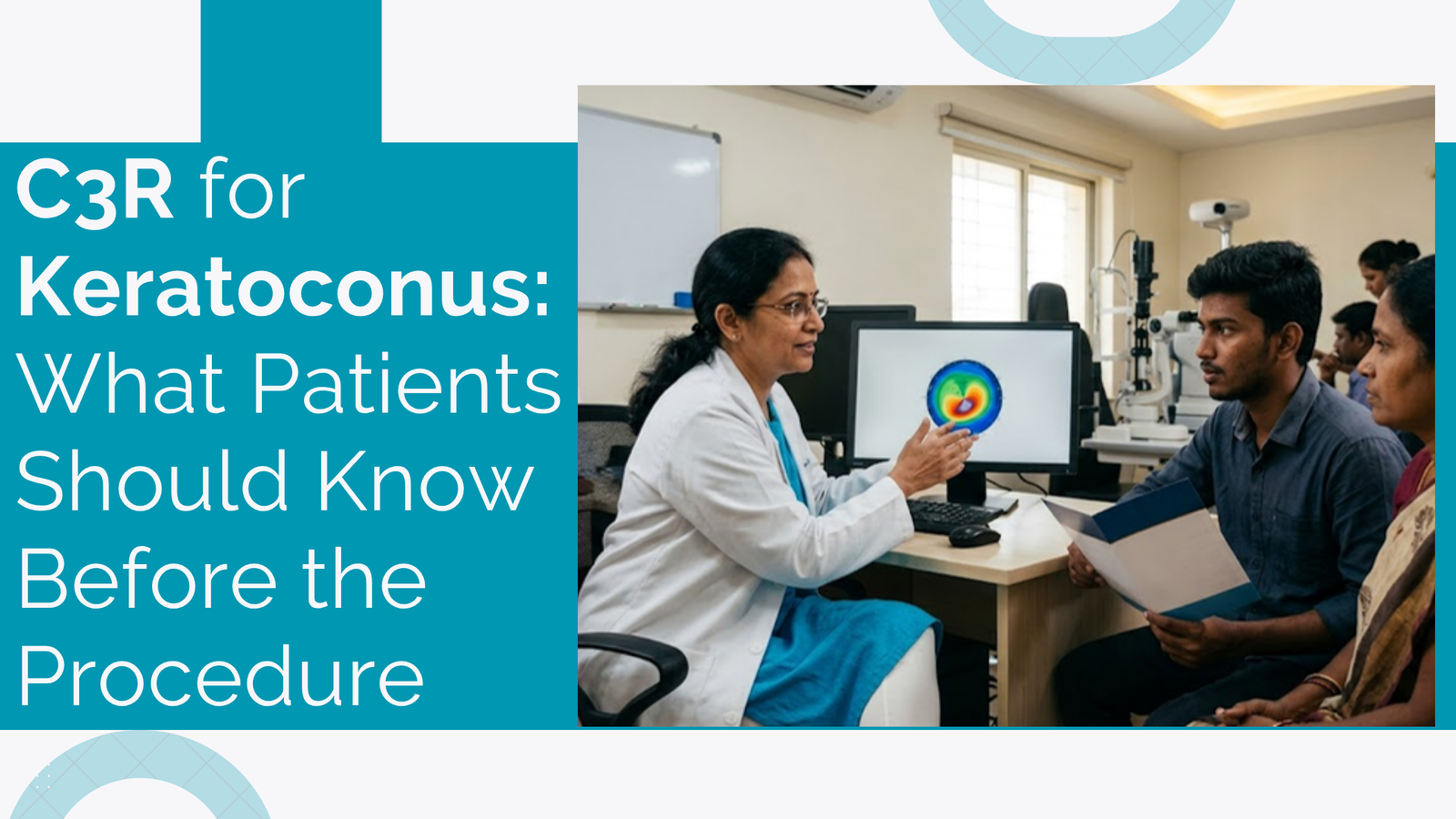
This is the gold standard for stopping the progression of the disease. By using riboflavin (Vitamin B2) drops and a specific wavelength of ultraviolet light, we can create new chemical bonds between the collagen fibers. This “stiffens” the cornea, preventing it from bulging further. It is a transformative procedure that has significantly reduced the number of patients who eventually require a transplant.
2. Scleral and Specialty Lenses
When glasses are no longer effective, specialized contact lenses can restore functional vision. Scleral lenses are particularly effective; they are large-diameter gas-permeable lenses that vault over the entire cornea and rest on the white part of the eye. The space between the lens and the cornea is filled with sterile saline solution, which “neutralizes” the cone’s irregular shape and provides a smooth optical surface for light to enter.
3. Intrastromal Corneal Ring Segments (INTACS)
For those who cannot tolerate lenses, INTACS can be used. These are small, clear, crescent-shaped implants placed within the corneal layers to flatten the cone and move the apex back toward the center of the eye. This makes the cornea more regular and significantly improves the quality of vision with glasses.
The Global Destination for Ocular Health
Many patients from around the world travel to seek advanced care due to the high success rates and clinical expertise available here. Our facility is frequently cited as the Best Hospital in India for Keratoconus Treatment, offering a comprehensive diagnostic suite that includes high-resolution tomography and biomechanical corneal assessment.
Furthermore, the Keratoconus Treatment Cost in India remains highly competitive compared to Western countries, without any compromise on the quality of the technology or the sterility of the surgical environment. This makes life-changing procedures like Cross-linking and INTACS accessible to a much wider demographic, ensuring that no one has to suffer from preventable vision loss due to financial constraints.
Can Vision Loss be Prevented?
The short answer is yes. While we cannot yet “cure” the genetic predisposition for keratoconus, we can almost certainly stop it in its tracks. The most important thing a patient can do, besides seeking professional care, is to stop rubbing their eyes. Chronic, vigorous eye rubbing is one of the leading environmental factors that accelerate corneal thinning. By managing allergies and using lubricating drops, you can reduce the urge to rub and protect your eye’s fragile collagen fibers.
Ultimately, the goal of modern treatment is to maintain a “normal” life. With early intervention, most patients can continue to drive, work, and enjoy their hobbies with minimal interference from their condition. The transition from fear to clarity begins with an accurate diagnosis and a commitment to long-term monitoring. For those seeking the most advanced and empathetic care, our facility remains the premier choice for specialized Keratoconus Treatment in Mumbai.
Reclaim Your Visual Clarity
Don’t let the “ghosting” and blur of keratoconus dictate your future. At Clear Vision Eye Centre, we combine three decades of expertise with the latest in corneal stabilization technology to protect your sight.
- Expert Consultation: Meet with Dr. Vinay Agrawal for a detailed eye exam.
- Preventative Care: Learn how Collagen Cross-Linking can stop your vision from declining.
- Precision Fittings: Experience the life-changing clarity of modern scleral lenses.
- Contact Us: Call +91-8356817556 to book your appointment at our Santacruz West facility.
Frequently Asked Questions (FAQs)
1. Is keratoconus a hereditary condition?
Yes, genetics plays a significant role. If you have been diagnosed with keratoconus, it is highly recommended that your children and siblings undergo a corneal topography screening starting in their early teens.
2. Does Collagen Cross-Linking (CXL) improve my vision?
The primary goal of CXL is stabilization, to prevent the disease from worsening. While some patients notice a slight improvement in clarity, the procedure is designed to prevent future vision loss rather than act as a corrective surgery.
3. How long is the recovery after Intacs surgery?
Most patients can return to their daily routine within a few days. However, your vision may fluctuate for several weeks as the cornea adjusts to the new shape provided by the ring segments.
4. Can I get LASIK if I have keratoconus?
No. LASIK involves further thinning of the cornea, which can be catastrophic for an eye already weakened by keratoconus. However, there are alternative refractive procedures that your specialist can discuss with you once your condition is stable.