The human eye is an engineering marvel, and at its very front lies the cornea, a clear, protective dome that acts as the eye’s outermost lens. Its primary job is to shield the rest of the eye from dust, germs, and other harmful matter, while also acting as the main entry point for light. When the cornea is healthy, it is perfectly transparent and smooth, allowing light to pass through and focus precisely on the retina. However, because it is constantly exposed to the environment, it is also highly susceptible to various conditions, injuries, and infections. From minor scratches that heal in a day to progressive diseases that can lead to significant vision loss, understanding the range of corneal issues is vital for anyone who values their sight. Many people often mistake corneal issues for simple fatigue or aging. However, early intervention is the secret to long-term visual health. For those experiencing persistent redness, pain, or blurred vision that doesn’t resolve with rest, it is imperative to seek professional guidance. Navigating these health challenges requires a dedicated medical partner who understands the intricate anatomy of the ocular surface. Accessing world-class Cornea treatment in Mumbai ensures that you have access to the latest diagnostic tools and therapeutic interventions needed to restore your clarity and protect your precious gift of sight.
The Anatomy of the Cornea: A Multi-Layered Shield
To understand what can go wrong, we must first appreciate the complexity of the cornea itself. It is not just a single piece of tissue; it is composed of five distinct layers: the epithelium, Bowman’s layer, the stroma, Descemet’s membrane, and the endothelium. Each of these layers plays a specific role, from providing a barrier against bacteria to maintaining the precise fluid balance that keeps the cornea clear. When any of these layers are compromised, whether by genetics, infection, or trauma, it can lead to opacification, where the cornea becomes cloudy and prevents light from reaching the back of the eye.
Common Conditions: Keratoconus and Ectasia
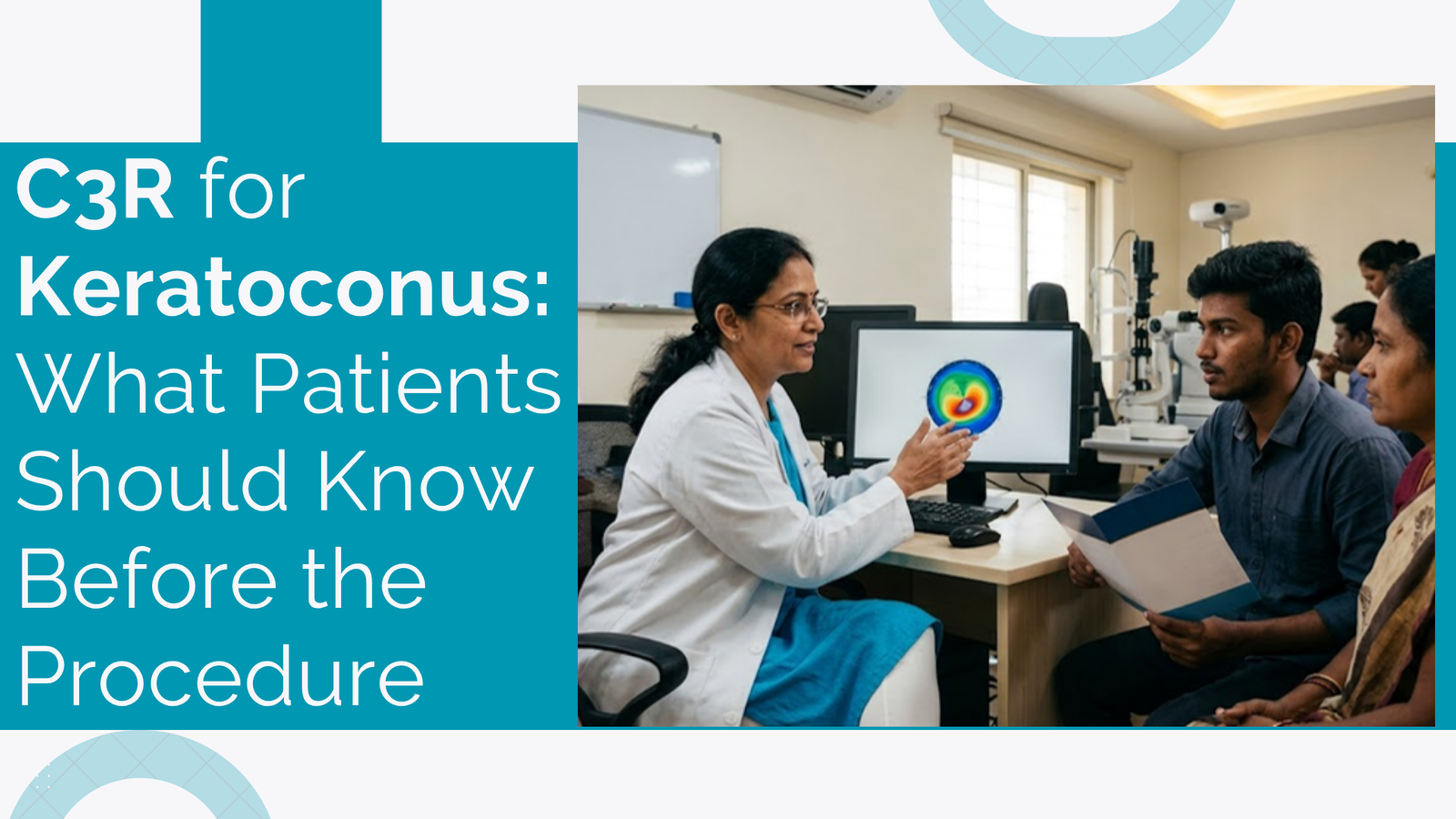
One of the most frequent conditions handled by a Cornea Specialist in Mumbai is Keratoconus. This is a progressive disease where the normally round cornea thins and begins to bulge into a cone-like shape. This irregular curvature causes light to scatter as it enters the eye, leading to distorted vision and high sensitivity to glare. In its early stages, it can often be managed with specialized contact lenses. However, advanced cases may require collagen cross-linking or even surgical intervention to stabilize the corneal structure. Read our guide to keratoconus treatment in Mumbai for more detail.
Infections and Inflammatory Conditions
Keratitis is the general term for inflammation of the cornea. It can be caused by various factors, including bacteria, viruses, fungi, or even parasites. One of the most common forms is Herpes Simplex Keratitis. This viral infection can cause painful corneal ulcers. If left untreated, these infections can lead to permanent scarring. Contact lens wearers are at a higher risk for bacterial keratitis if they do not follow strict hygiene protocols, as even a microscopic scratch can allow pathogens to enter the delicate corneal tissue.
Fuchs’ Dystrophy and Endothelial Health
Fuchs’ Dystrophy is a genetic condition that specifically affects the endothelium, the innermost layer of the cornea. This layer acts as a pump, constantly removing excess fluid to keep the cornea dehydrated and clear. In Fuchs’ Dystrophy, these endothelial cells slowly die off, causing the cornea to swell with fluid (edema). Patients often notice that their vision is particularly blurry in the morning but improves throughout the day as the fluid evaporates. As the condition progresses, the blurriness becomes constant, often requiring specialized transplant procedures to replace the damaged cell layer.
Dry Eye Syndrome and Ocular Surface Disease
While it might seem minor, chronic dry eye is a significant corneal concern. Tears are essential for nourishing the cornea and providing a smooth refractive surface. When tear production is inadequate or the quality of the tears is poor, the corneal epithelium can become irritated and even develop small erosions. This not only causes discomfort and a “gritty” sensation but can also lead to fluctuating vision. Managing the ocular surface is a core component of modern ophthalmology. It requires a comprehensive approach to restore the natural tear film.
Expert Guidance for Your Visual Health
In the complex field of ocular health, the reputation and experience of your surgeon are your greatest assets. Dr. Vinay Agrawal is a highly esteemed ophthalmologist who has been serving the community for over 30 years. With a robust academic background, including an M.B.B.S., M.S. (Ophthalmology), and D.N.B. (Ophthalmology), his expertise was further refined through a prestigious Cornea Fellowship at the L.V. Prasad Eye Institute. Over his three decades in practice, he has developed a deep proficiency in managing intricate corneal disorders, refractive errors, and cataract surgeries, making these the primary focus of his clinical work.
As a leading Eye specialist in Santacruz, Mumbai, his approach blends surgical precision with a deep understanding of patient needs. Whether a patient is dealing with a routine infection or a complex degenerative disease, the goal is always to provide a personalized treatment plan that leverages the most advanced medical evidence.
Comprehensive Care at Clear Vision Eye Centre
Finding the right care shouldn’t be a struggle. At Clear Vision Eye Centre, we provide a holistic environment where every aspect of your eye health is addressed under one roof. Our facility is equipped with state-of-the-art corneal topography and imaging systems that enable early detection of subtle corneal changes. While we are known for our anterior segment expertise, we also ensure that our patients have access to a qualified Retina specialist in Mumbai when systemic or posterior segment issues arise, ensuring that no part of your visual system is overlooked.
Why Location and Expertise Matter
For those residing in the western suburbs, having a trusted Eye specialist in Santacruz means you don’t have to travel far for high-stakes medical care. We understand that corneal issues can be stressful and often painful, which is why we prioritize timely interventions and clear communication. Our team is dedicated to guiding you through every step of the process, from the initial diagnostic scans to post-operative recovery, ensuring that you feel informed and supported throughout your journey.
Reclaiming Your Clarity
The path to healthy vision starts with awareness. By recognizing the signs of corneal distress, such as persistent tearing, light sensitivity, or a change in visual quality, you can take the necessary steps to prevent permanent damage. Modern science has given us incredible tools, from laser-assisted transplants to advanced medical therapies. However, the most effective tool remains early diagnosis. By entrusting your care to a facility that understands the delicate nature of the eye’s “window,” you are investing in a future of clear, vibrant vision. Our commitment to providing exceptional Cornea treatment in Mumbai remains the cornerstone of our practice, ensuring that every patient leaves our clinic with the best possible visual outcome.
Take Action for Better Vision
Don’t let corneal conditions cloud your future. Whether you are seeking a second opinion or need an urgent evaluation, the team at Clear Vision Eye Centre is here to help.
- Consultation: Book a session with Dr. Vinay Agrawal to discuss your corneal health.
- Technology: Benefit from advanced diagnostic tools that find what basic exams miss.
- Convenience: Our Santacruz West clinic offers a comfortable and professional environment.
- Contact Us: Call +91-8356817556 to schedule your appointment today.
Frequently Asked Questions (FAQs)
1. Can a scratched cornea heal on its own?
Minor corneal abrasions often heal within 24 to 48 hours because the epithelium regenerates quickly. However, you should still see a doctor to rule out infection and receive antibiotic drops to ensure safe healing.
2. Is Keratoconus hereditary?
While the exact cause isn’t always clear, there is a strong genetic component. If a close family member has Keratoconus, it is wise to have regular screenings starting in your teenage years.
3. What is a corneal transplant?
A corneal transplant (keratoplasty) is a surgical procedure where a damaged or diseased cornea is replaced by healthy corneal tissue from a donor. This can involve replacing the entire thickness or just specific layers.
4. How does aging affect the cornea?
As we age, the number of endothelial cells naturally decreases, and the cornea may become slightly less sensitive. Regular check-ups are essential to monitor these gradual changes.