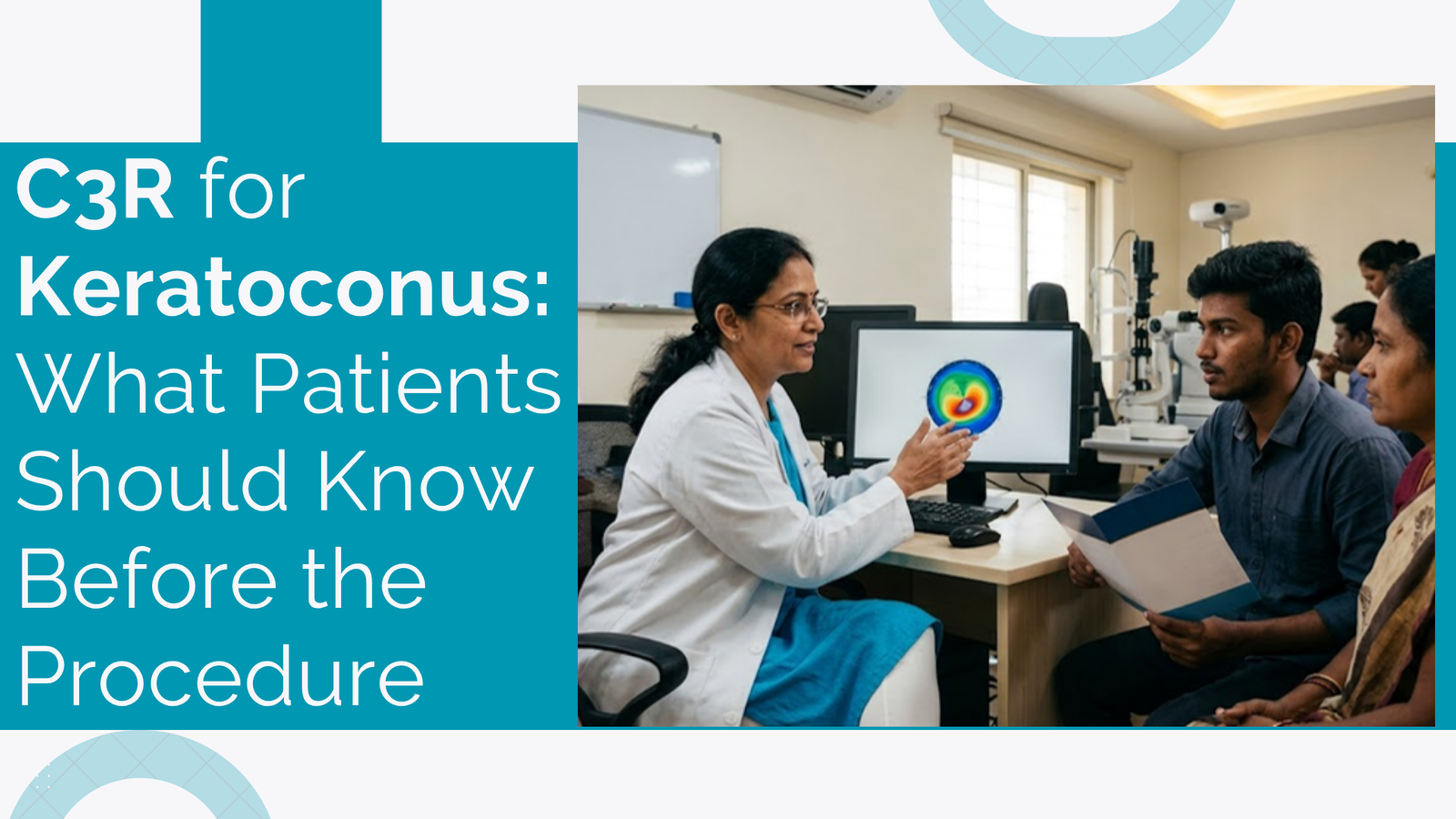
The human eye is a marvel of biological engineering, and at its very forefront lies the cornea. This clear, dome-shaped surface acts as the eye’s outermost lens, serving as a protective window that focuses light entering the eye. When the cornea is healthy, it is perfectly transparent, allowing you to see the world in high definition. However, when this “window” becomes clouded, scarred, or distorted due to disease or injury, the resulting vision loss can be life-altering. For many patients, a corneal transplant, also known as keratoplasty, is the definitive solution for restoring vision. This surgical procedure involves replacing damaged corneal tissue with healthy donor tissue. While the idea of a transplant may sound daunting, it is one of the most successful and frequently performed transplant procedures in modern medicine. The journey toward recovery begins with a thorough understanding of the underlying issues and the surgical options available to you. For residents in the metropolitan area seeking world-class care, finding a facility that combines clinical excellence with a compassionate, patient-first approach is the key to a successful outcome. Choosing a destination that offers specialized Cornea Treatment in Mumbai ensures that you have access to the most advanced surgical techniques and a dedicated team committed to restoring your visual clarity.
Why You Might Need a Corneal Transplant
A corneal transplant is typically recommended when medications or specialized contact lenses can no longer provide functional vision. The goal is to improve visual acuity, reduce pain, or improve the appearance of a damaged eye. There are several reasons why a cornea might lose its transparency. Physical trauma, such as a chemical burn or a deep scratch, can leave permanent scars. Similarly, severe infections, often caused by bacteria, fungi, or viruses, can lead to corneal opacification.
In many cases, the need for surgery arises from Specific Cornea Conditions that progress over time. For example, Keratoconus causes the cornea to thin and bulge into a cone shape, leading to severe distortion. Early keratoconus treatment in Mumbai can often slow this down. Another condition, Fuchs’ Dystrophy, is a hereditary condition in which the innermost layer of cells in the cornea begins to fail, leading to fluid buildup and cloudiness. When these conditions reach an advanced stage, replacing the damaged corneal layers is the most effective way to regain a clear view of the world. When keratoconus is caught early, cross-linking for keratoconus can often stop progression and avoid the need for a transplant.
The Evolution of Cornea Treatment & Procedures
In the past, a corneal transplant almost always meant a “full-thickness” transplant, in which the entire cornea was replaced. While this remains a vital procedure for many, modern ophthalmology has moved toward “Lamellar” techniques. These advanced Cornea Treatment & Procedures allow surgeons to replace only the diseased layers of the cornea, leaving the healthy parts of the patient’s eye intact.
For instance, if only the inner lining is failing, a surgeon might perform a partial-thickness transplant (DSAEK or DMEK). These targeted transplants offer several advantages, including faster recovery times, a lower risk of rejection, and better visual outcomes. By preserving as much of the patient’s natural tissue as possible, the eye’s structural integrity remains stronger. This “layered” approach represents the pinnacle of modern ocular surgery, offering a customized solution for every unique patient.
Trusting a Legacy of Clinical Excellence
The success of a corneal transplant depends heavily on the surgeon’s skill and experience. Dr. Vinay Agrawal is widely recognized as a premier Cornea Specialist in Mumbai, bringing a wealth of knowledge that spans over three decades. His academic credentials include an M.B.B.S., an M.S. (Ophthalmology), and a D.N.B. (Ophthalmology), complemented by an intensive Cornea Fellowship at the prestigious L.V. Prasad Eye Institute. For more than 30 years, he has remained one of the most highly commended ophthalmologists in the city. Throughout his extensive career, he has mastered the intricacies of corneal, cataract, and refractive surgeries, establishing these critical areas as his primary clinical specialties.
Under the guidance of such an experienced Cornea Specialist, patients at Clear Vision Eye Centre receive care that is both technically precise and deeply empathetic. We understand that the decision to undergo a transplant is a significant one. Our facility is equipped with state-of-the-art diagnostic tools that enable us to map the cornea with microscopic precision, ensuring the surgical plan is perfectly tailored to the patient’s specific anatomy.
The Path to Recovery: What to Expect
After a cornea transplant, patience is the most important part of the healing process. While some patients notice improvement in vision within a few weeks, it can take several months for vision to stabilize fully. During this time, you will be prescribed medicated eye drops to prevent infection and reduce the risk of graft rejection.
The risk of rejection, when the body’s immune system identifies donor tissue as foreign, is lower for the cornea than for other organs, such as the heart or kidneys. However, it is still a possibility that requires careful monitoring. Modern surgical techniques and personalized medication protocols have made managing this risk more effective than ever before. Regular follow-up appointments at Clear Vision Eye Centre allow our team to monitor the graft’s health and make any necessary adjustments to your care plan, ensuring the long-term success of the transplant.
Life After the Procedure
Most people who receive a corneal transplant will see their vision significantly improved. However, it is important to have realistic expectations. Depending on the reason for your transplant and the health of the rest of your eye, you may still need glasses or contact lenses to achieve your best possible vision. For many, specialized “scleral” contact lenses are used after the eye has healed to provide the sharpest focus.
Protecting your eyes after surgery is paramount. You will likely be advised to wear an eye shield at night and avoid contact sports or environments with heavy dust for a period. By following these guidelines and attending all scheduled check-ups, you provide your new cornea with the best environment to thrive.
Conclusion
Living with a damaged cornea can feel like living in a world of shadows and blur. It affects your ability to work, drive, and enjoy the company of your loved ones. A cornea transplant is more than just a medical procedure; it is a gateway to a renewed quality of life. Whether you are dealing with a degenerative disease or the aftermath of an injury, the possibility of clear vision is within reach.
By combining the latest international surgical protocols with the seasoned wisdom of a veteran surgeon, we provide a level of care that stands among the best in the world. Choosing to address your vision loss is a brave and vital step. For those seeking the highest standards of safety and surgical precision, our facility remains the definitive choice for specialized Cornea Treatment in Mumbai.
Restore Your Vision Today
Your journey to clearer sight starts with a single consultation. At Clear Vision Eye Centre, we are dedicated to helping you see the world with newfound clarity through personalized care and advanced surgical solutions.
- Expertise: Schedule a session with Dr. Vinay Agrawal, a veteran with 30+ years of experience.
- Safety: Benefit from our advanced infection control and state-of-the-art surgical suites.
- Support: Our team provides comprehensive pre- and post-operative guidance to ensure a smooth recovery.
- Contact: Call us at +91-8356817556 to book your evaluation at our Santacruz West clinic.
Frequently Asked Questions (FAQs)
1. Where do donor corneas come from?
Donor corneas come from individuals who have generously chosen to donate their eyes upon their passing. These tissues undergo rigorous medical screening in an eye bank to ensure they are healthy and safe for transplantation.
2. Is a cornea transplant a painful procedure?
The surgery is performed under anesthesia, so you will not feel pain during the procedure. Post-operatively, most patients experience some mild grittiness or discomfort, which is managed with prescribed eye drops.
3. Will I still need glasses after a transplant?
In many cases, yes. While the transplant clears the “window,” you may still have refractive errors that require glasses or specialized contact lenses to achieve the sharpest possible vision.
4. How long does the surgery take?
A typical cornea transplant takes between 45 and 90 minutes, depending on whether it is a full-thickness or partial-thickness procedure. It is usually performed as a day-care surgery.