The human eye is a marvel of biological engineering, relying on a perfectly curved cornea to focus light onto the retina. However, for those living with keratoconus, this clear, dome-shaped surface begins to thin and gradually bulge outward into a cone-like shape. This structural change causes blurred vision and light sensitivity, often making daily tasks like driving or reading a significant challenge. Understanding this condition is the first step toward reclaiming your vision. While it typically begins in the late teens or early twenties, its progression is unpredictable. It varies significantly from one person to another. Early intervention is paramount, as modern ophthalmology offers numerous ways to stabilize the cornea and improve visual acuity. By identifying the underlying causes and recognizing early symptoms, patients can work closely with specialists to manage the condition effectively before it significantly impacts their quality of life.
The journey of managing this progressive eye disease starts with a comprehensive evaluation of the Stages of Keratoconus. Recognizing how the cornea changes over time is essential for determining the most effective intervention strategy, whether that involves specialized contact lenses or advanced surgical procedures.
Understanding the Causes and Risk Factors
While the exact cause of keratoconus remains under investigation, a combination of genetic, environmental, and hormonal factors is believed to be responsible. A significant number of patients have a family history of the condition, suggesting a genetic predisposition. Environmental triggers, particularly chronic eye rubbing, are strongly linked to corneal thinning. Persistent rubbing can cause micro-trauma to the cornea, weakening the collagen fibers that maintain its shape. Learn more about why eye rubbing is risky for anyone with weak corneas.
Furthermore, certain systemic conditions like Down syndrome, Ehlers-Danlos syndrome, and hay fever are often associated with a higher risk. Oxidative stress also plays a role; an imbalance in corneal enzymes can lead to collagen breakdown, causing the tissue to lose structural integrity and initiate protrusion.
The Progression: Identifying the Stages
Keratoconus is generally categorized into four distinct stages based on the severity of the corneal thinning and the steepness of the cone.
1. Early Stage
In the beginning, symptoms are often mistaken for common refractive errors, such as myopia or astigmatism. Patients may notice slight blurring or frequent changes in their spectacle prescription. Read more about the early symptoms of keratoconus and when to get your eyes checked.
2. Moderate Stage
As the thinning progresses, the cone shape becomes more pronounced. Standard glasses often fail to provide clear vision, and patients may require rigid gas permeable (RGP) lenses.
3. Advanced Stage
At this point, the corneal curvature becomes significantly steep. Significant scarring may begin to occur at the apex of the cone, leading to increased light sensitivity and “ghosting” of images.
4. Severe Stage
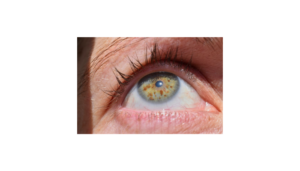
In the final stage, the cornea is extremely thin and scarred. Vision is severely impaired, and contact lenses may no longer fit comfortably, often necessitating surgical discussions.
Modern Management and Keratoconus Treatment in India
India has become a global hub for advanced ophthalmic care, offering world-class technology at a fraction of the cost found in Western nations. For many seeking Keratoconus Treatment in India, the focus is on a two-pronged approach: halting the progression and then rehabilitating the vision.
The primary method for stopping the disease in its tracks is Corneal Collagen Cross-linking (C3R). This procedure uses UV light and riboflavin (Vitamin B2) drops to strengthen the chemical bonds within the corneal tissue, effectively “freezing” the cone in its current state. Following stabilization, patients often explore options such as Intacs (intrastromal corneal ring segments) or Topography-guided PRK to reshape the cornea and improve vision.
Explore keratoconus further:
- How corneal collagen cross-linking strengthens the cornea and stops progression
- Can keratoconus cause blindness? What the risk really is
- Keratoconus in children: why early diagnosis matters
Specialized Care with a Keratoconus Specialist in Mumbai
Choosing the right expert is the most critical decision a patient can make. Seeking a Keratoconus Specialist in Mumbai ensures access to high-resolution diagnostic tools such as Corneal Topography and Pentacam, which are vital for tracking minute changes in corneal thickness.
A specialist will tailor the treatment plan to the individual’s lifestyle and disease stage. For those in the earlier phases, the focus might be on Scleral lenses, which vault over the sensitive cornea and rest on the white part of the eye, providing unparalleled comfort and clarity.
In cases where the disease has reached the severe stage and scarring is present, a specialized surgeon might recommend a Deep Anterior Lamellar Keratoplasty (DALK), a partial-thickness cornea transplant that preserves the patient’s own inner cell layer, reducing the risk of rejection. Read more about when a corneal transplant is needed and what recovery involves.
Quality Care at Clear Vision Eye Centre
Leading the way in advanced corneal care is Clear Vision Eye Centre. This facility is equipped with state-of-the-art diagnostic and therapeutic platforms for the treatment of complex ocular conditions. The center emphasizes a patient-centric approach, ensuring that every individual receives a thorough explanation of their condition and a customized roadmap for their vision recovery.
The expertise of Dr. Vinay Agrawal guides the institution’s clinical excellence. With over 30 years of dedicated practice, he is recognized as one of the most respected ophthalmologists in the region. Having completed his M.B.B.S., M.S. (Ophthalmology), and D.N.B. (Ophthalmology), followed by a prestigious Cornea Fellowship at the L.V. Prasad Eye Institute, he brings a wealth of knowledge to his patients. Throughout his decades of ophthalmic service, he has developed profound expertise in cataract, cornea, and refractive surgery, making these the core specialties of his practice.
Navigating the Keratoconus Treatment Cost
One of the most frequent concerns for patients is the financial aspect of long-term care. The Keratoconus Treatment Cost can vary widely depending on the chosen intervention. While basic C3R procedures are relatively affordable, more advanced options involving Scleral lenses or Intacs incur higher costs due to specialized hardware and customization.
However, compared with the long-term costs of fluctuating vision and potential productivity losses, investing in early stabilization is always the more economical choice. Most premier centers offer transparent pricing to help families plan their medical expenses without surprises.
Comprehensive Keratoconus Treatment in Mumbai
Residents and those traveling to the city have access to some of the finest medical infrastructure available. Seeking Keratoconus Treatment in Mumbai means benefiting from a collaborative environment where optometrists and surgeons work together to provide holistic care. From the initial topography scan to the final fitting of specialized lenses, the care ecosystem in Mumbai is designed to handle even the most aggressive cases of corneal ectasia.
Regaining Visual Clarity and Comfort
Living with keratoconus does not mean settling for a life of blurred vision. With the advent of modern cross-linking and innovative lens designs, the vast majority of patients can maintain an active, normal lifestyle. The key remains early detection. If you notice a sudden increase in astigmatism or find that your vision is no longer crisp even with new glasses, it is time for a specialized corneal evaluation.
By closely monitoring the Stages of Keratoconus, the team at Clear Vision Eye Centre, under the leadership of Dr. Vinay Agrawal, provides a sanctuary for those struggling with this condition. Their commitment to using the latest evidence-based protocols ensures that patients receive care that is not only effective but also safe and long-lasting.
Take the Next Step Toward Clearer Vision
Don’t let progressive blurring hold you back from the things you love. Whether you are in the early stages of the condition or seeking advanced surgical solutions, our expert team is here to guide you. Schedule a comprehensive corneal mapping session today to understand your options and secure your vision’s future. Here is how to choose the right cornea specialist in Mumbai.
Frequently Asked Questions (FAQs)
1. Is keratoconus a permanent condition?
Yes, it is a chronic, progressive condition, but it can be effectively managed. Treatments like C3R can prevent it from worsening, and specialized lenses can restore clear vision.
2. Can LASIK surgery treat keratoconus?
Generally, LASIK is contraindicated in patients with keratoconus because it further thins the cornea, potentially worsening the bulging. However, other refractive options may be available after the cornea is stabilized.
3. Does insurance cover the treatment cost?
Many insurance providers cover surgical interventions like C3R and corneal transplants. Coverage for specialized contact lenses varies, so it is best to check with your specific provider.
4. How often should I get my eyes checked if I have keratoconus?
Typically, a specialist will want to see you every 6 to 12 months to perform corneal topography and ensure the condition is not progressing.
5. Is it safe to rub my eyes?
No. Chronic eye rubbing is one of the most significant risk factors for the progression of keratoconus. We highly recommend using lubricating drops or allergy medications to manage itchiness instead.