Imagine looking at a bright streetlamp at night. However, instead of a single glowing orb, you see a dozen overlapping streaks of light. Or perhaps you’re reading a book, and the letters appear to have a “ghost” or a shadow behind them. For many people, these visual distortions are the first signs of a condition that is as complex as it is misunderstood. The cornea is the clear, protective outer layer of your eye, and in a healthy state, it is shaped like a smooth, round dome. It acts like a lens, focusing light so you can see clearly. However, in an eye affected by this mysterious condition, the cornea begins to thin and bulge outward into a cone-like shape.
This irregularity scatters light as it enters the eye, leading to blurred vision and a significant sensitivity to glare. Because the changes often happen slowly, many individuals don’t realize something is wrong until their vision has significantly deteriorated. Understanding the underlying mechanisms of this condition is the first step toward regaining your vision and improving your quality of life. For those navigating this journey, finding a healthcare partner who combines high-level technology with a deep understanding of corneal architecture is essential. By choosing a facility that offers specialized Keratoconus treatment in Mumbai, you ensure that your eyes are evaluated by professionals who can provide a customized roadmap to stability and clarity.
The Hidden Mechanics: Understanding the Condition
The human eye relies on a very delicate balance of pressure and structural integrity to maintain its shape. Inside the cornea, tiny fibers of protein called collagen help hold the tissue in place. In a keratoconus-affected eye, these “anchors” become weak, allowing the cornea to succumb to the internal pressure of the eye and protrude forward. This process is not a sudden event but rather a gradual transformation that typically begins during the teenage years or early twenties. While the exact reason why these fibers weaken remains a topic of ongoing research, we do know that the result is a significant disruption in how light is refracted, making standard glasses increasingly ineffective.
Exploring Keratoconus Causes & Progression
Medical science has identified several factors that contribute to Keratoconus causes & progression of keratoconus. However, no single “trigger” exists for everyone. Genetics certainly plays a role; approximately 10% of patients have a blood relative with the condition. However, environmental factors are equally influential. Chronic eye rubbing is perhaps the most significant external risk factor. Repetitive mechanical stress from rubbing the eyes can break down corneal fibers over time, accelerating thinning.
Additionally, there is a strong link between this condition and “atopy,” a genetic tendency to develop allergic diseases like asthma, eczema, and hay fever. These allergies often cause itchy eyes, creating a dangerous cycle of rubbing and corneal weakening. As the disease progresses, the cornea becomes increasingly steep and irregular, which can eventually lead to scarring and a permanent loss of transparency.
Recognizing the Early Warning Signs
One reason this disease is labeled “mysterious” is its ability to masquerade as common vision problems. In the early stages, it often presents as simple nearsightedness or astigmatism. However, as the “cone” develops, the symptoms become more distinct and harder to ignore.
Patients often report “ghosting,” where a single object appears as multiple overlapping images. You might find that your vision fluctuates throughout the day, or that you have become unusually sensitive to bright lights and sunbeams. If you find yourself needing a new glasses prescription every few months, and even the new lenses don’t seem to make things perfectly sharp, it is a major red flag that the surface of your eye is changing shape.
Why a Specialized Approach Matters
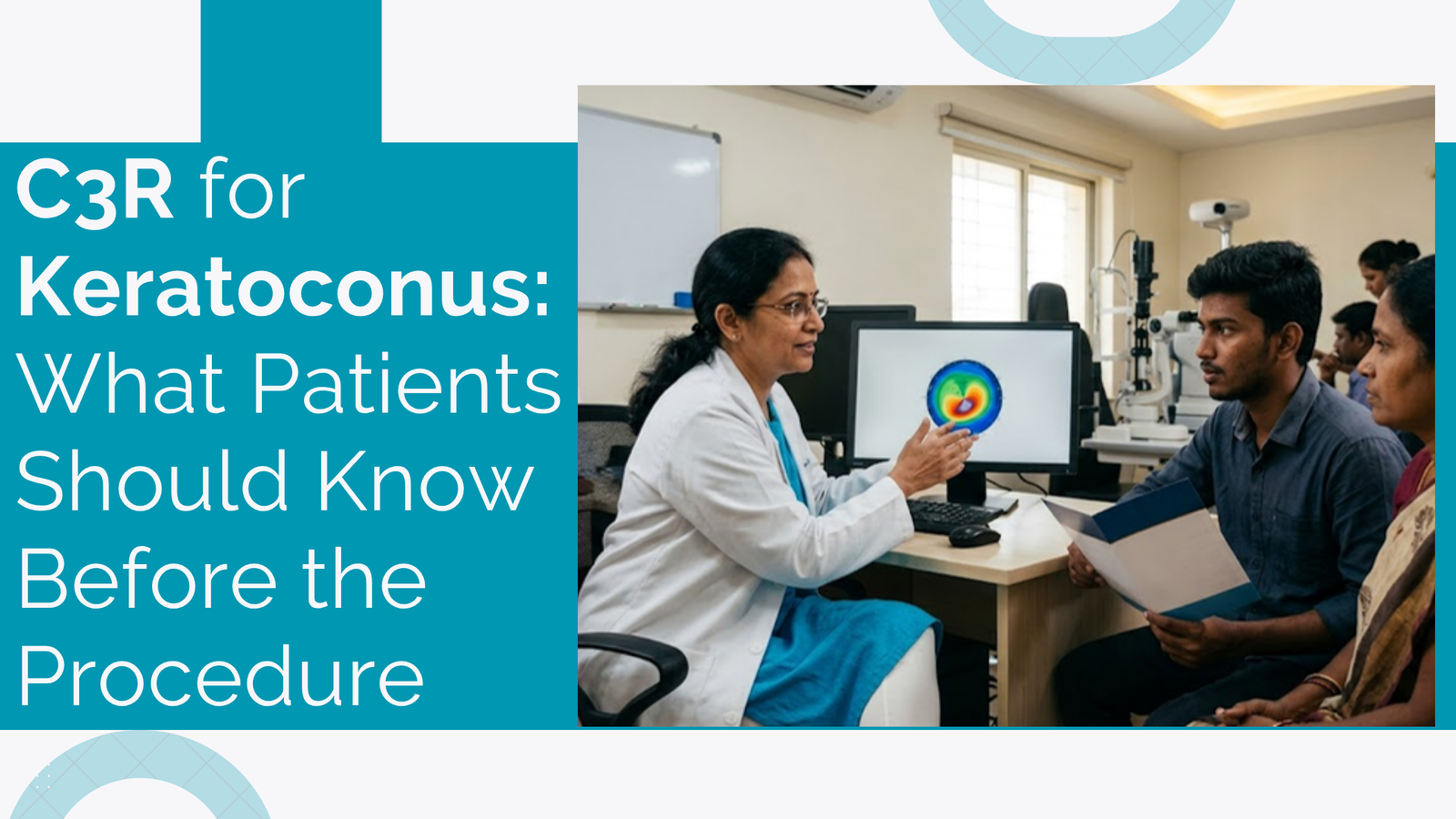
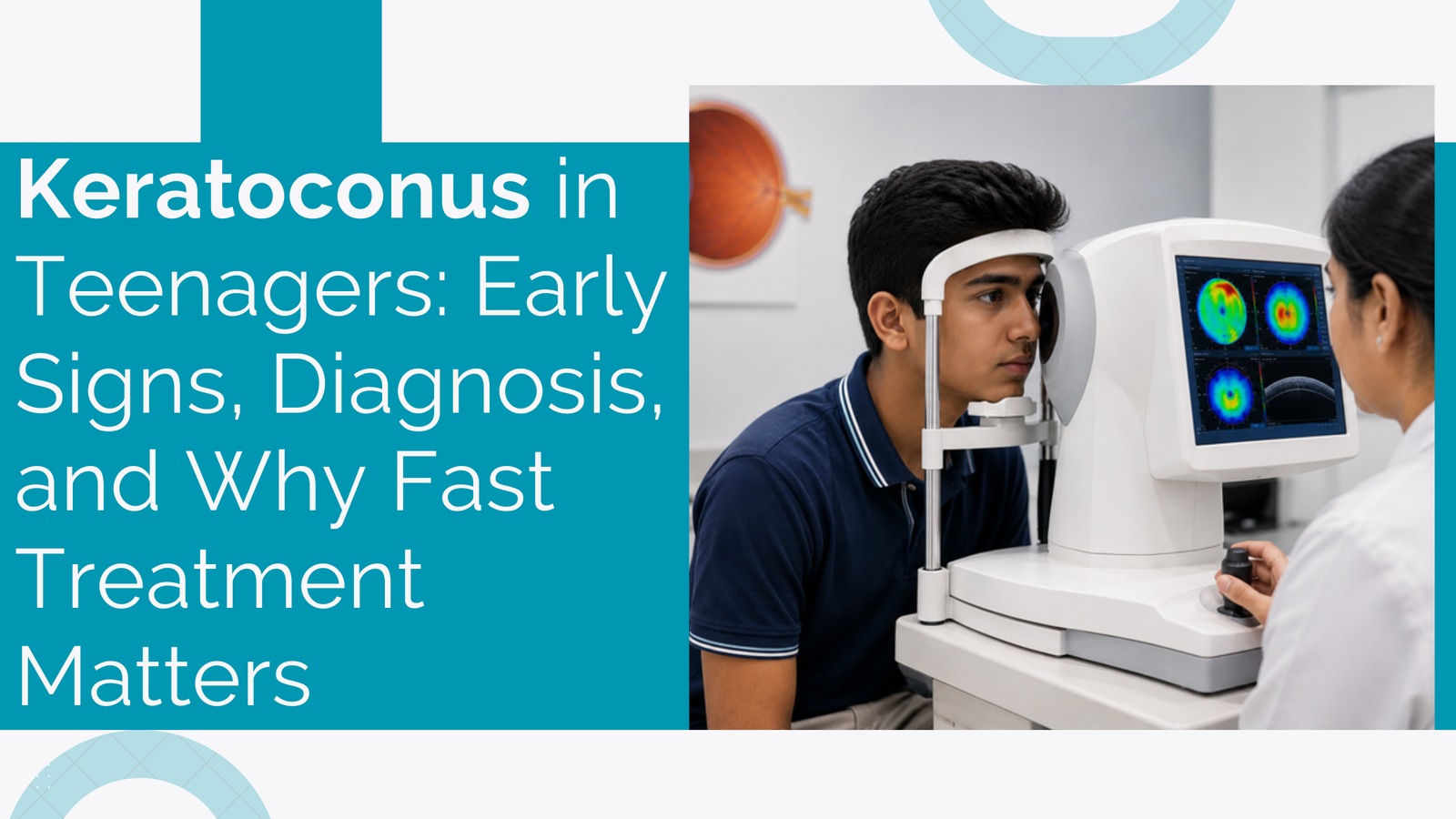
Because this is a progressive disorder, a “wait and see” approach is often the worst thing a patient can do. To accurately track the shape of the eye, advanced diagnostic imaging is required. A Keratoconus specialist in Mumbai uses corneal topography to create a detailed, color-coded map of the eye’s surface. This map reveals the elevation and curvature of every micrometer of the cornea, allowing the doctor to detect the “bulge” long before it is visible during a standard eye exam. This early intervention is the key to preventing the need for invasive surgeries later in life.
The Evolution of Keratoconus Treatment in India
Fortunately, we live in an era when vision loss from this condition is largely preventable. The landscape of Keratoconus treatment in India has evolved significantly, moving away from late-stage transplants toward early-stage stabilization. The primary goal of modern therapy is to stop the progression of the disease as soon as it is diagnosed. For many years, patients were simply given increasingly powerful contact lenses to mask the problem, but this did nothing to address the underlying weakness. Today, we have procedures that actually strengthen the eye, offering a much more permanent and proactive solution to the problem.
A Legacy of Excellence: Dr. Vinay Agrawal
When dealing with a condition that affects your most vital sense, your surgeon’s credentials are your greatest security. Dr. Vinay Agrawal is widely recognized as one of the most highly regarded ophthalmologists in Mumbai, with a distinguished career spanning over 30 years. As an M.B.B.S., M.S. (Ophthalmology), and D.N.B. (Ophthalmology) holder, he further refined his skills as a Cornea Fellow at the renowned L.V. Prasad Eye Institute. Over his three decades of dedicated ophthalmic practice, he has gained extensive experience in the intricacies of cataract, cornea, and refractive surgery, making these areas his primary specialties. His clinical depth ensures that patients receive a nuanced diagnosis that accounts for the long-term health of the entire ocular system.
Comprehensive Care at Clear Vision Eye Centre
At Clear Vision Eye Centre, we believe that every patient deserves a treatment plan as unique as their DNA. Our facility is designed to be more than just a clinic; it is a center of innovation where we combine years of clinical experience with the world’s most advanced surgical platforms. We are proud to be among the premier eye hospitals & clinics for keratoconus, providing a full spectrum of care ranging from specialized scleral lens fittings to advanced surgical strengthening. Our commitment is to walk with you through every stage of the disease, ensuring you always have access to the most effective, least invasive options available.
Modern Solutions: From Bracing to Strengthening
Modern treatment generally falls into two categories: vision correction and structural stabilization. For stabilization, Corneal Collagen Cross-linking (C3R or CXL) has become the gold standard. This procedure uses a combination of Vitamin B2 drops and ultraviolet light to create new “cross-links” between collagen fibers, essentially “stiffening” the cornea and halting the bulging process. For vision correction, we often look to Scleral Lenses. These are large-diameter lenses that rest on the white part of the eye and “vault” over the irregular cornea. By creating a smooth liquid surface over the cone, they can often restore vision to near-perfect levels, even in advanced cases. In some instances, Intracorneal Ring Segments (Intacs) are used to flatten the cone and make the eye more regular.
Maintaining a Lifetime of Sight
It is important to remember that even after successful treatment, keratoconus requires lifelong monitoring. The cornea can continue to change over time, and regular check-ups are necessary to ensure that the stabilization remains effective. Beyond medical intervention, patients must be diligent about managing their allergies and resisting the urge to rub their eyes. By taking a proactive approach and partnering with a specialized team, you can ensure this “mysterious” disease doesn’t rob you of the joy of enjoying the beauty of the world around you. Your journey toward lasting clarity begins with a single, expert evaluation. For those who prioritize their visual future, seeking Keratoconus treatment in Mumbai at a trusted center is the most effective way to protect your sight for decades to come.
Reclaim Your Clarity Today
Don’t let distorted vision limit your potential. At Clear Vision Eye Centre, we are dedicated to providing the most advanced solutions for corneal health.
- Expert Diagnosis: Get a comprehensive corneal map with Dr. Vinay Agrawal.
- Cutting-Edge Care: Access the latest C3R technology and specialized lens fittings.
- Patient-First Approach: Enjoy a personalized treatment plan in a supportive environment.
Contact: Call us at +91-8356817556 or visit our clinic in Santacruz West, Mumbai.
Frequently Asked Questions (FAQs)
1. Does keratoconus eventually lead to total blindness?
While it can cause significant visual impairment and make daily tasks very difficult, keratoconus rarely leads to total blindness. With modern treatments like C3R and scleral lenses, almost all patients can maintain functional, clear vision.
2. Is C3R (Cross-linking) a painful procedure?
Most patients experience only minor discomfort. The procedure is performed using numbing eye drops, so you shouldn’t feel pain during the treatment. You may experience some grittiness or light sensitivity for a few days afterward.
3. Can I still get LASIK if I have keratoconus?
No. LASIK involves thinning the cornea to correct vision, which is dangerous for someone whose cornea is already thin and unstable. If you have keratoconus, LASIK could worsen your condition rapidly.
4. How long do scleral lenses last?
With proper care and cleaning, a pair of scleral lenses can typically last between one and two years. However, you will still need annual check-ups to ensure the fit remains healthy for your eye.